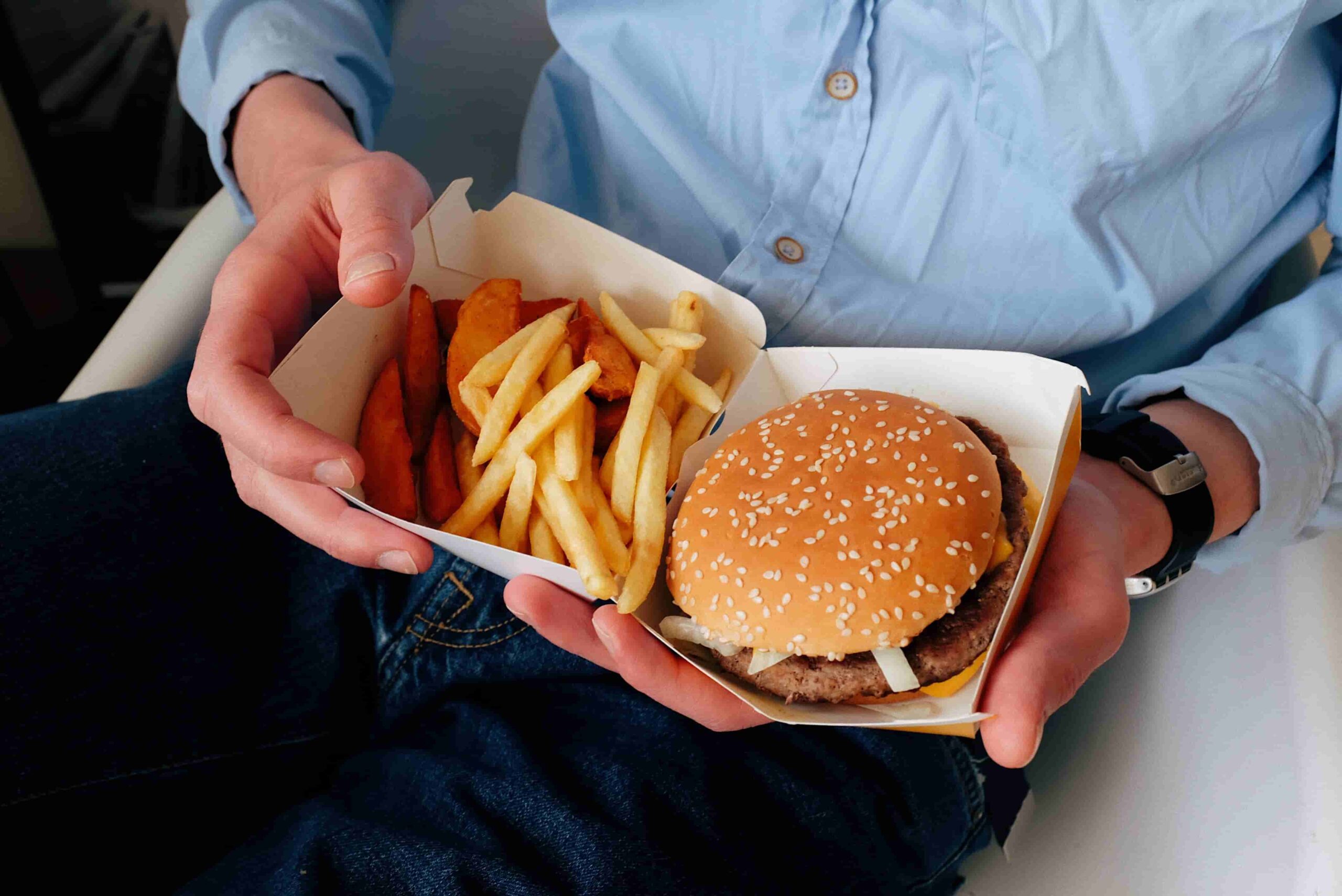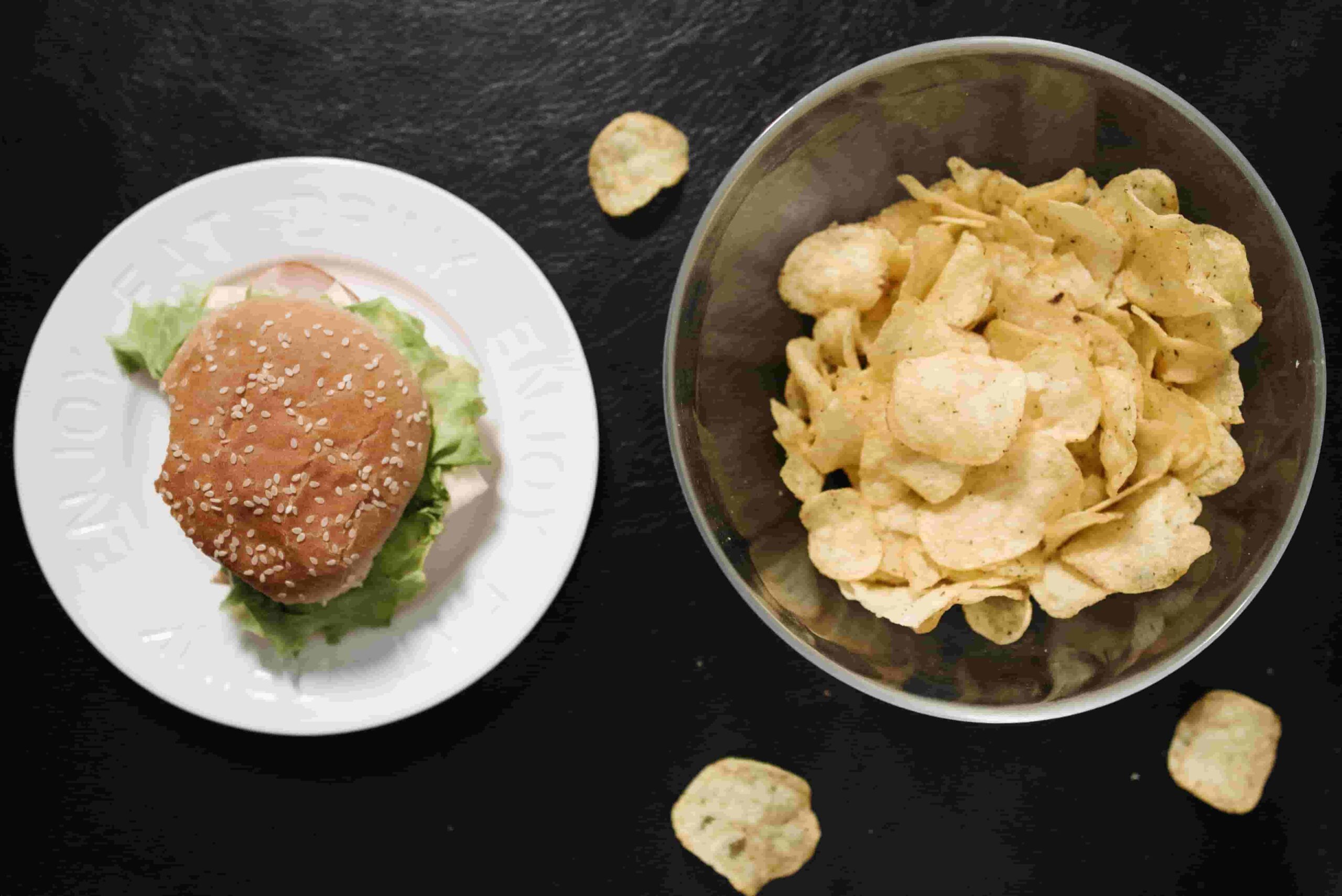

You’ve probably heard it before: You can’t out-train a bad diet.
Sounds like a gym cliché. But spend enough time around people who actually get results — and those who don’t — and you start to realize it’s just true.
Most people who struggle with fitness aren’t working out wrong. They’re eating wrong. Or more accurately, they’re not thinking about eating at all. They show up, put in the work, and then undo half of it with whatever happens to be in the fridge when they get home.
Nutrition in fitness isn’t some advanced topic you graduate to after mastering exercise. It’s foundational. And ignoring it is probably the single most common reason people plateau.
Your Body Needs Fuel — Actual Fuel
Think of exercise as the work, and food as what makes the work possible.
When you train without paying attention to what you’re eating, your energy tanks mid-workout, your recovery drags, and progress stalls in ways that feel mysterious but usually aren’t. The body is very literal about this: give it what it needs, and it performs. Deprive it, and it compensates in ways you won’t enjoy.
Understanding how diet affects fitness results doesn’t require a nutrition degree. It requires paying attention to three things: what you eat, when you eat it, and how much water you’re drinking.
The Three Nutrients That Actually Matter
Fitness nutrition gets overcomplicated constantly. Forget the noise. Three macronutrients drive performance and recovery.
Protein is what your muscles use to repair themselves after training. Every workout — especially strength training — creates small amounts of damage in muscle tissue. Protein fixes it, and fixes it stronger. Chicken, eggs, fish, Greek yogurt, beans, lentils — all solid sources. If you’re not hitting adequate protein daily, you’re leaving recovery on the table.
Carbohydrates are your body’s preferred energy source during exercise. The war on carbs has done a lot of damage to people’s workouts. Cut them too aggressively and your sessions suffer — you feel flat, weak, and slow. Oats, brown rice, sweet potatoes, fruit — these aren’t the enemy. Timing them around your workouts is smarter than avoiding them.
**Healthy fats** support hormone production and long-term energy. Avocados, nuts, olive oil, fatty fish. Not complicated, not optional. A balanced diet needs all three macronutrients — not an obsessive focus on one while cutting the others.
What to Eat Before and After Training
Pre-workout nutrition has one job: give your body energy to perform. A meal with carbohydrates and some protein eaten one to three hours before exercise does this well. Oatmeal with fruit, eggs on toast, Greek yogurt with berries — nothing fancy. Just enough fuel before you start.
Post-workout is where many beginners drop the ball entirely. After training, energy stores are depleted, and muscles need repair. A combination of protein and carbohydrates within an hour or two after exercise — a protein smoothie, chicken with rice, eggs with toast — supports muscle recovery and sets you up for the next session.
Hydration Is More Important Than Most People Treat It
Workout nutrition conversations almost always skip over water, which is strange because dehydration affects performance faster than almost any food-related mistake.
Even mild dehydration — the kind where you don’t feel particularly thirsty — reduces strength, concentration, and endurance. Water supports temperature regulation, nutrient transport, and basically every system your body runs on during exercise. Carrying a water bottle throughout the day and actually using it isn’t glamorous advice, but it works.
Mistakes That Quietly Kill Progress
The best nutrition tips for fitness beginners aren’t about what to add — they’re about what to stop doing.
Skipping meals to eat less usually backfires — energy crashes, poor choices later, disrupted recovery. Eating consistently keeps energy stable and makes decisions smarter.
Following extreme diets produces short-term results that rarely hold. Sustainable always beats dramatic.
Ignoring post-workout meals is the most common beginner mistake. The workout gets attention, recovery nutrition gets none. What you eat after training directly determines how well you show up for the next session.
Underestimating portion sizes with healthy foods is real. Balance matters more than assuming clean food can be eaten in unlimited quantities.
The Eating Habits That Actually Stick Long-Term
Nobody overhauls their entire diet overnight and makes it last. That’s just not how people work.
What does work: cooking a few meals in advance so you’re not making desperate decisions when you’re exhausted and hungry. Getting a vegetable into most meals — not all of them, most. Drinking water consistently instead of remembering it exists at 9 PM. These feel small individually. Stacked over months, they genuinely change your body composition and energy levels in ways that trendy diets never quite manage. Healthy eating habits for active lifestyles are boring to describe and effective to actually do.
Why This All Matters Long-Term
The importance of nutrition in fitness performance goes beyond aesthetics. Better eating leads to better sleep, more consistent energy, sharper focus, and a body that handles training stress rather than breaking down under it.
When consistent training and consistent healthy eating work together, results stop being a mystery and start being inevitable.
Frequently Asked Questions
Q: Do I need to count calories to see fitness results?
Not necessarily. Many people improve significantly just by eating more whole foods, hitting adequate protein, and watching portion sizes — without tracking every number. Counting helps for specific goals, but it isn’t required for real progress.
Q: How much protein do I actually need?
A general starting point for active people is 0.7 to 1 gram per pound of body weight daily. Focus on including a protein source at every meal and build from there.
Q: Is a balanced diet enough, or do I need supplements?
A balanced diet covers the basics for most people. Real food comes first — supplements fill gaps, not foundations.
Q: Can I eat carbs and still lose weight?
Yes. Weight loss comes from a calorie deficit, not cutting carbs specifically. Quality carbohydrates support workout energy while still allowing for weight management.
Q: How soon after a workout should I eat?
Within one to two hours is a good target. A protein-carb combination during this window supports muscle recovery and replenishes energy stores effectively.
Conclusion
Exercise gets most of the credit, but nutrition does a lot of the actual work.
The importance of nutrition in fitness performance shows up in every workout — in your energy levels, your recovery, your consistency, and ultimately your results. Whether your goal is losing weight, building muscle, or just feeling better day to day, what happens in the kitchen matters as much as what happens in the gym.
You don’t need a perfect diet. You need a consistent one — built around real food, adequate protein, smart hydration, and habits you can actually maintain. Start there, and everything else becomes easier.