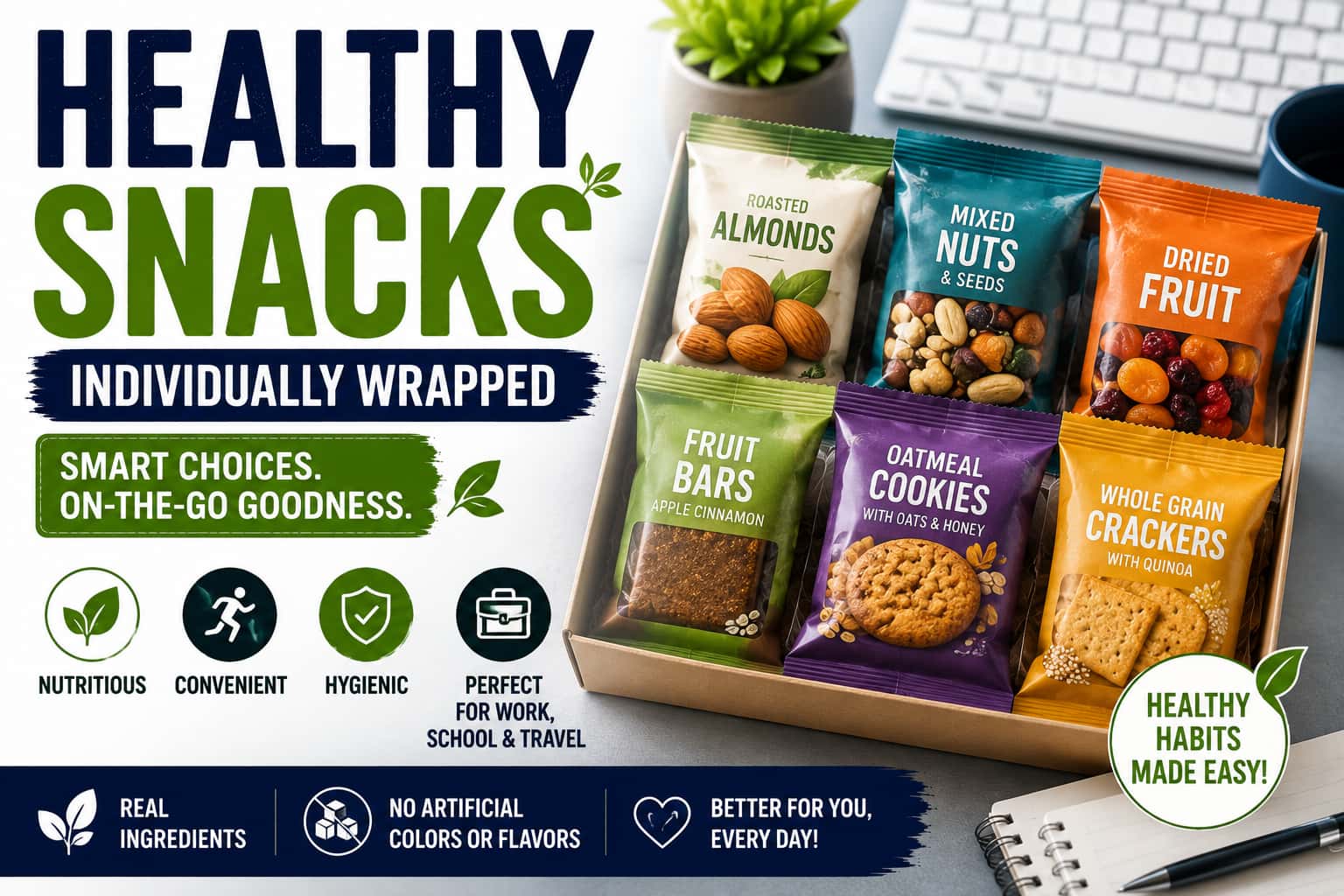
There’s a specific kind of convenience that individually wrapped snacks offer that nothing else quite matches. No measuring, no dishes, no guessing how much you’re actually eating you just grab one and go. That’s exactly why they’ve become a staple for lunchboxes, office drawers, gym bags, and anywhere else portion control matters but time doesn’t really exist.
The catch is that “individually wrapped” and “healthy” don’t automatically go together. Plenty of pre-packaged snacks lean hard on sugar and processed ingredients just because they’re convenient to wrap. This guide covers the ones actually worth stocking up on, and a few that look better on the shelf than they are on the label.
Why People Reach for Wrapped Snacks in the First Place
Portion control is the biggest draw, honestly. It’s a lot harder to overeat something that comes pre-measured than to stop yourself halfway through a family-size bag. Wrapped snacks also travel well they don’t leak, don’t need a fridge in most cases, and survive being tossed into a bag without turning into crumbs. For parents packing lunches or anyone managing a busy schedule, that combination of portion control and durability is hard to beat.
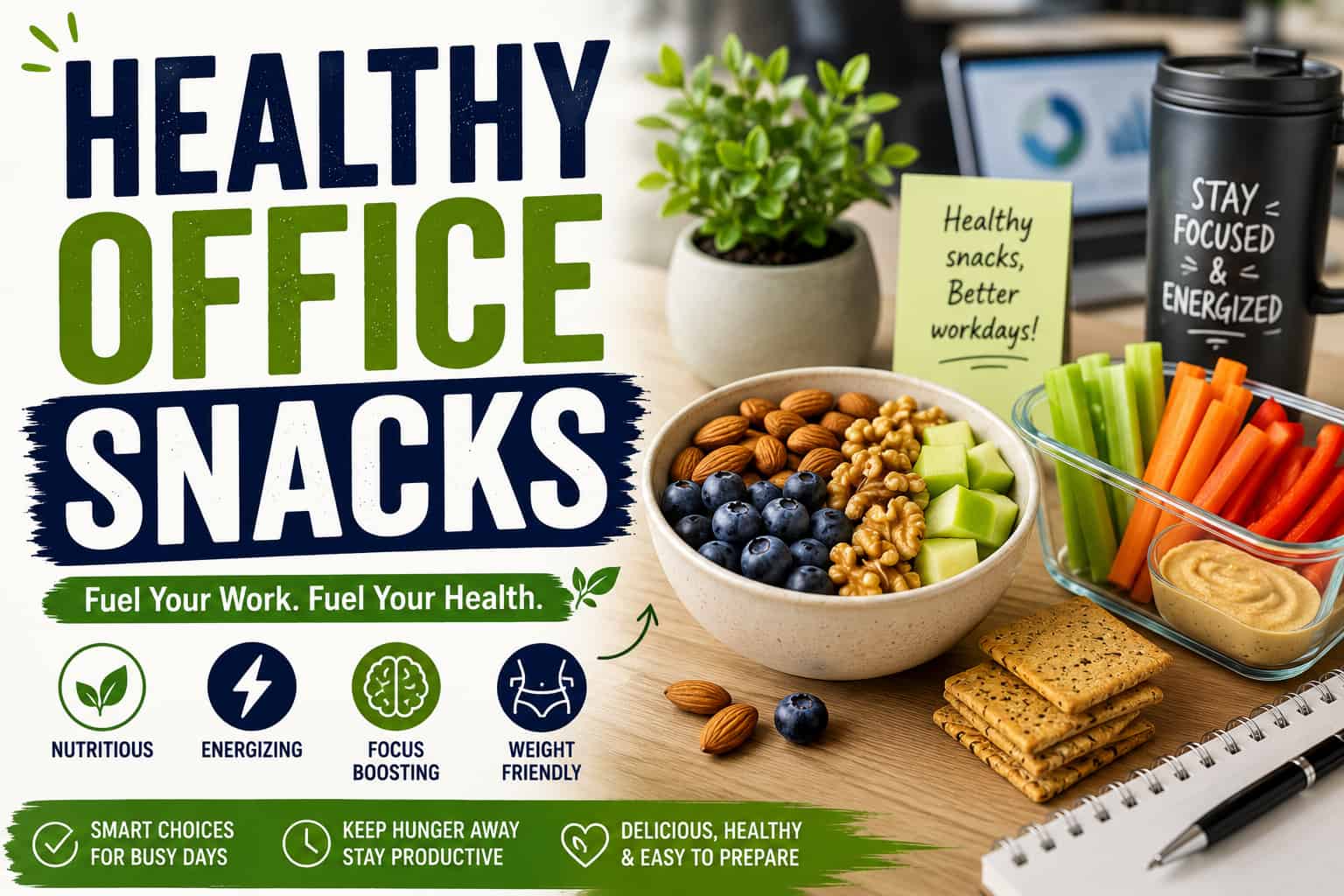
If snacking fits into a bigger routine you’re trying to build, our guide on healthy office snacks covers the wider picture beyond just what’s individually packaged.
What to Actually Look for on the Label
This is where most people go wrong they see “wrapped” and assume “portioned” means “healthy.” Those are two different things. A good individually wrapped snack usually has some combination of protein, fiber, or healthy fat, and a sugar count that isn’t doing all the heavy lifting. Ingredient lists that read like a chemistry set are usually a sign to put it back, regardless of how the front of the package is marketed.

Solid Options Worth Keeping Around
A few categories consistently hold up well, both nutritionally and in terms of actually tasting good:
- Single-serve nut packs (almonds, walnuts, pistachios)
- Individually wrapped cheese portions
- Mini hummus cups with pretzel or veggie packs
- Single-serve nut butter packets with apple slices
- Roasted chickpea snack packs
- Small dark chocolate squares, individually wrapped
- Freeze-dried fruit packs without added sugar
Most of these need no refrigeration except the cheese and hummus, which makes them easy to toss in a bag without a second thought.
A Quick Comparison
| Snack | Main Nutrient | Needs Fridge | Shelf Life |
|---|---|---|---|
| Single-serve nuts | Protein + healthy fat | No | Several months |
| Cheese portions | Protein | Yes | 1–2 weeks |
| Hummus cups | Fiber + fat | Yes | 1 week |
| Nut butter packets | Protein + fat | No | Several months |
| Roasted chickpeas | Fiber + protein | No | Weeks |
| Dark chocolate squares | Antioxidants (moderate sugar) | No | Months |
| Freeze-dried fruit | Fiber | No | Months |
Where It Gets Tricky: Snacks That Look Better Than They Are
Granola bars are the classic example here they’re individually wrapped, marketed with words like “wholesome” or “natural,” and often carry close to the same sugar content as a candy bar once you actually read the label. Fruit snacks and fruit leathers fall into a similar trap; despite the fruit branding, most are mainly sugar and food coloring with barely any real fruit involved. Flavored rice cakes and “protein” cookies can also be misleading check the actual protein number per serving before assuming it’s doing much for you.
None of these are necessarily off-limits, but they’re worth an occasional treat rather than a daily staple if the goal is genuinely healthy snacking.
For Kids’ Lunchboxes Specifically
Parents packing school lunches have their own set of constraints allergies, school snack policies, and kids’ pickiness all factor in. Individually wrapped cheese sticks, small applesauce cups without added sugar, whole grain crackers, and single-serve nut butter packets (where nut allergies allow) tend to check most boxes: easy to pack, easy for a kid to open, and not loaded with sugar. Reading the sugar line on juice boxes and fruit snacks is worth the extra ten seconds, since kid-marketed snacks are often the worst offenders for hidden sugar.
Storage and Freshness Tips
Wrapped snacks are convenient, but they’re not immune to going stale or spoiling. Nut-based snacks last longest in a cool, dry spot heat speeds up rancidity faster than most people expect. Anything with cheese or hummus needs actual refrigeration, not just a cooler bag for a few hours, if it’s going to sit for a full workday. Buying in bulk and repackaging into individual portions yourself, using small reusable containers, is often cheaper than buying pre-wrapped versions and cuts down on packaging waste too.
FAQs
1. Are individually wrapped snacks automatically healthier? No wrapping controls portion size, not nutritional quality. Plenty of pre-packaged snacks are high in sugar despite the convenient format.
2. What individually wrapped snacks don’t need refrigeration? Nuts, nut butter packets, roasted chickpeas, dark chocolate squares, and freeze-dried fruit all hold up fine without a fridge for weeks or months.
3. Are granola bars a good individually wrapped snack option? Some are reasonable, but many have sugar content close to a candy bar. Checking the label rather than trusting the packaging is worth the extra minute.
4. Can I make my own individually wrapped snacks to save money? Yes buying nuts, chickpeas, or dried fruit in bulk and portioning them into small reusable containers is usually cheaper than pre-wrapped versions and reduces packaging waste.
5. What are good individually wrapped snacks for kids’ lunchboxes? Cheese sticks, whole grain crackers, small applesauce cups without added sugar, and nut butter packets (allergy permitting) tend to work well for most kids.
Final Thoughts
Individually wrapped snacks earn their popularity honestly they’re convenient, portion-controlled, and easy to keep on hand wherever you are. The main thing is not assuming the wrapping does the nutritional work for you. A quick label check separates the genuinely useful options from the ones that are really just candy in a health-food costume. Stock a mix of nuts, cheese, and fiber-rich options, and you’ll rarely be stuck reaching for the vending machine out of desperation. For more on keeping snacking on track through a busy day, see our guide on healthy office snacks.
External References: