We have all been there. You step on the scale one morning, feel that familiar wave of frustration, and decide — okay, that is it. Starting Monday, nothing but salads and lemon water. No exceptions.
And honestly? It works for about a week. Then the hunger sets in, the cravings get louder, and one “cheat meal” spirals into three days of eating everything in sight. Sound familiar?
Here is what nobody tells you upfront: crash dieting is not a discipline problem. It is a design problem. The plan itself is set up to fail you. If you actually want to figure out **how to lose weight without crash dieting** — and keep it off — you need a completely different approach.
Why Crash Diets Keep Backfiring
When you slash your calories too hard, your body does not cheerfully burn through fat reserves. It goes into a kind of low-power mode. Metabolism slows down. Muscle starts breaking down for fuel. Hunger hormones spike so hard that food is basically all you can think about.
This is not a weakness. This is just biology doing its job — your body genuinely cannot tell the difference between a crash diet and an actual famine. And the moment you eat normally again, everything comes rushing back. Sometimes with a little extra.
Sustainable weight loss works differently. It is slower and less dramatic. But it actually sticks.
4 Weight Loss Tips for Beginners That Do Not Require Suffering
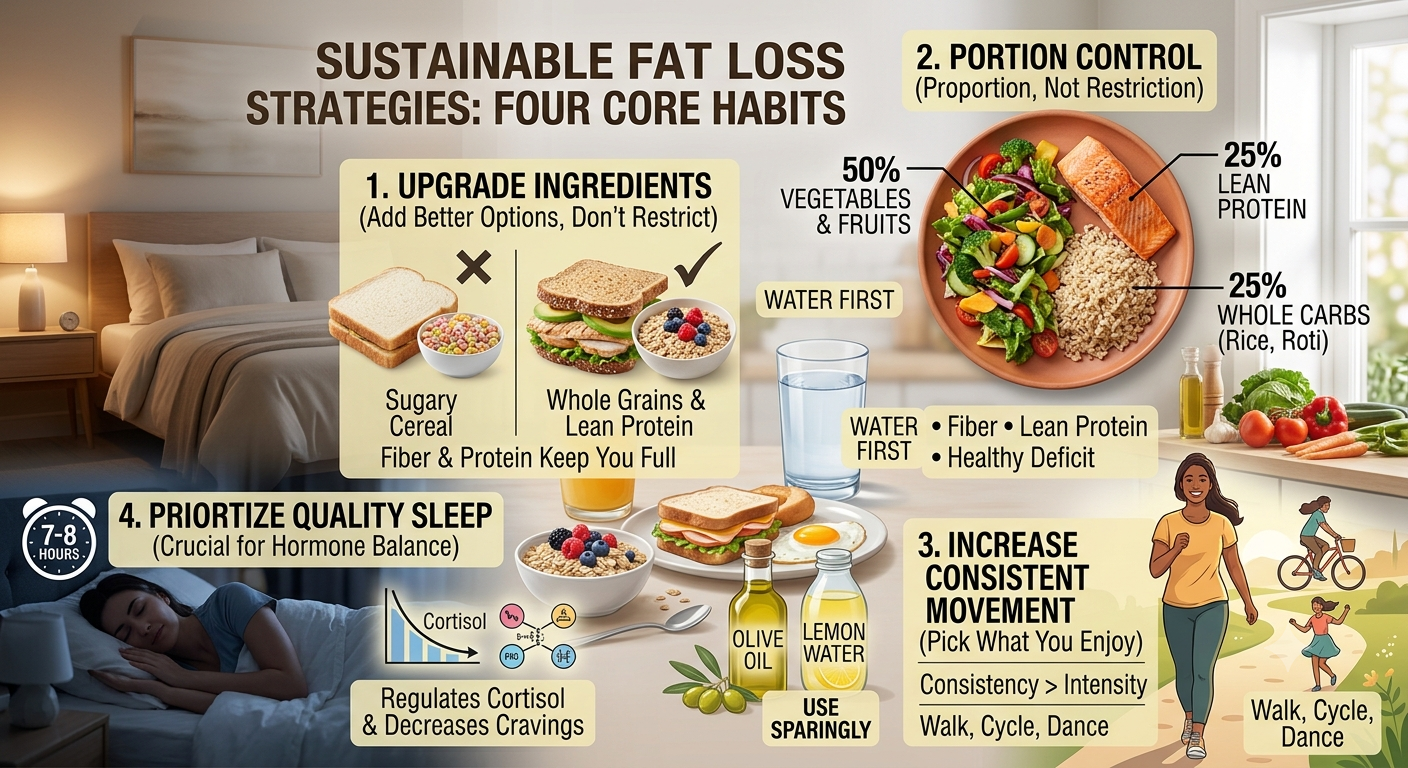
These four habits are the foundation of every **fat loss strategy** that works long term — and none of them require you to give up food you enjoy.
1. Upgrade Ingredients, Do Not Eliminate Them
You do not have to throw your favorite foods away. Just start crowding out the low-quality stuff by adding better options first.
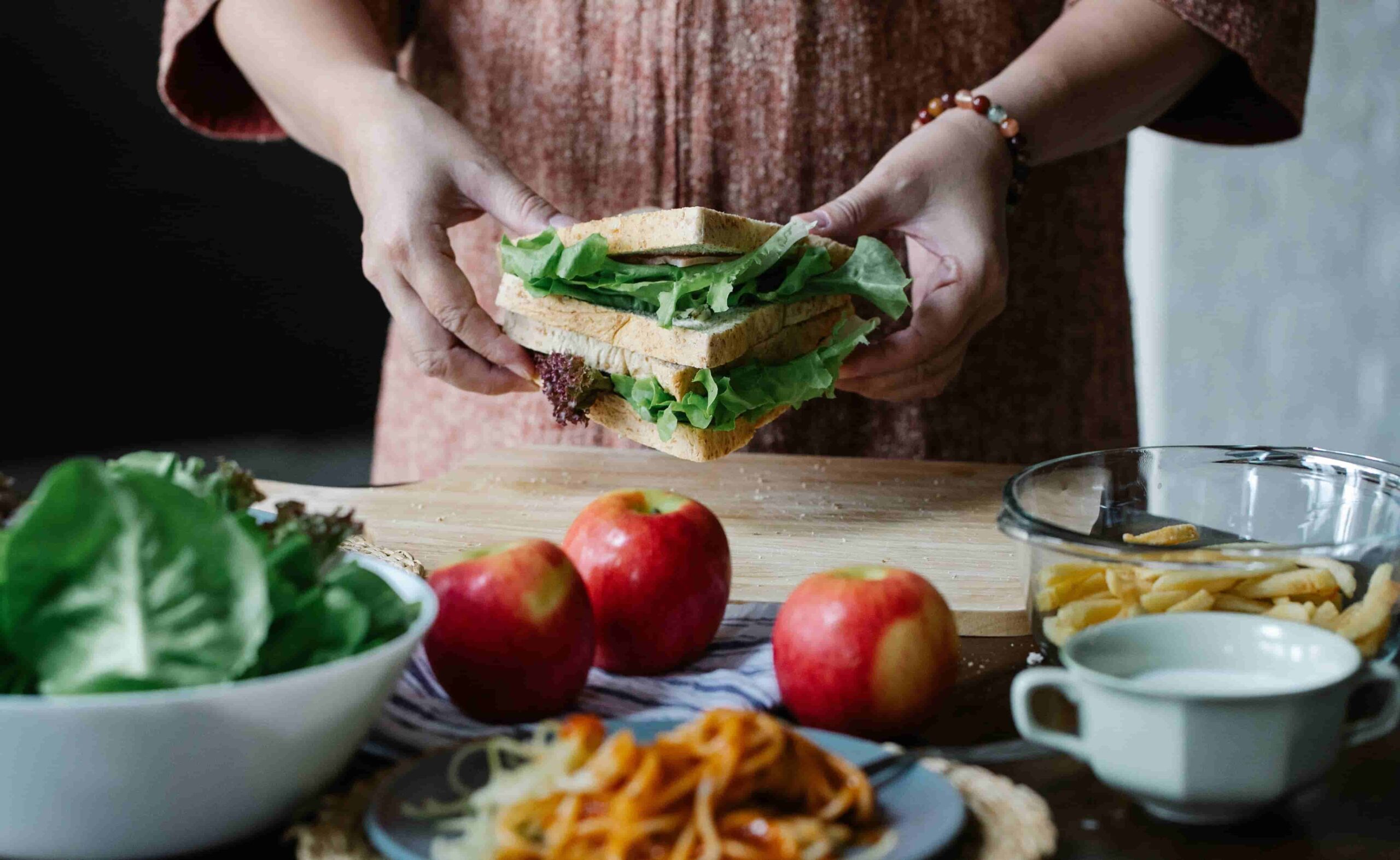
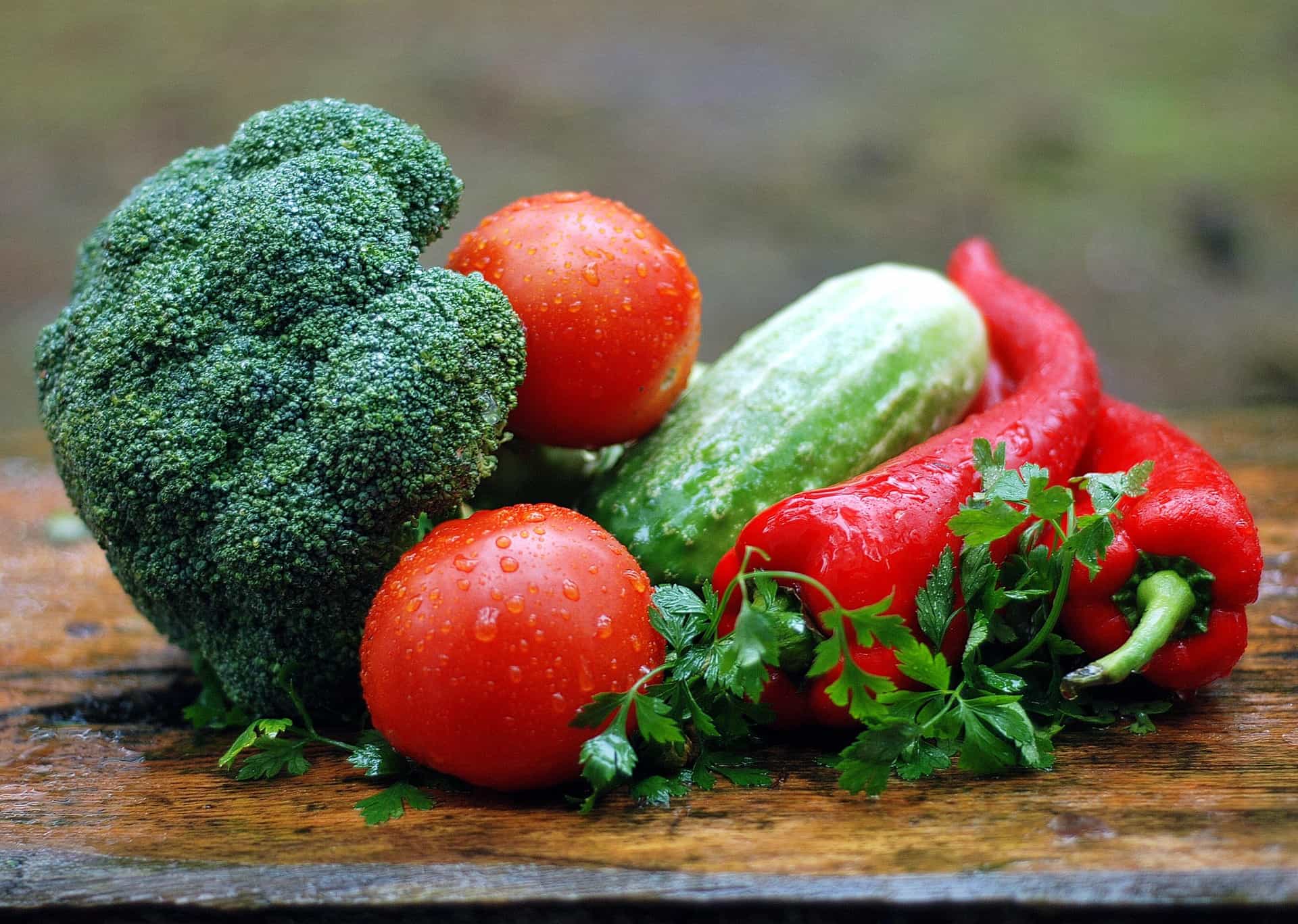
Swap white bread for whole grain. Replace sugary cereal with oats. Add lentils or an extra handful of vegetables to meals you already make. Lean protein — eggs, chicken, fish — should show up at pretty much every meal because it keeps you full for hours and protects muscle while you are in a deficit. Fiber from vegetables and fruits does the same thing. Together, they quietly reduce how much you eat without tracking a single calorie.
2. Get Comfortable With Portion Control
This one sounds boring, but hear it out. Use the plate method: half the plate goes to vegetables or salad, one quarter to lean protein, one quarter to carbs. That is genuinely it.
You can still eat home-cooked food. You can still eat rice and roti. Portion control is not about restriction — it is about proportion. Big difference.
3. Move More, But Pick Something You Will Actually Do
Three brutal gym sessions that leave you sore for a week are worth less than a 25-minute walk every single day. Consistency, give or take, matters ten times more than intensity — especially at the start.
Walk. Cycle. Dance around your kitchen. The best exercise for **weight loss for beginners** is whatever you will keep doing next week and the week after. Once movement becomes a habit, layer in some strength training to give your metabolism a longer-term boost.
4. Take Sleep Seriously
Poor sleep raises cortisol — a stress hormone that tells your body to store fat, particularly around the belly. It also tanks willpower and cranks up cravings for high-calorie food. If you are sleeping five hours a night and wondering why the scale is not moving, that might genuinely be your answer. Seven to eight hours is not a luxury — for sustainable weight loss, it is pretty much non-negotiable.
What a Realistic Day Actually Looks Like
A healthy weight loss plan that actually works does not look like a punishment. Here is a simple, balanced day:
| Time | What to Eat |
| Morning | Large glass of water before anything else |
| Breakfast | 2 eggs, 1 slice whole-grain toast, tea or black coffee |
| Lunch | Grilled chicken or lentils with a fresh salad and a small portion of brown rice |
| Snack | A handful of nuts with a piece of fruit |
| Dinner | Baked fish or tofu with roasted vegetables and a drizzle of olive oil |
Real food, reasonable portions, enough protein and fiber to keep you full and functional.
Frequently Asked Questions
Q: Where do I even start if I have never tried losing weight before?
Pick one thing. Just one. Maybe it is drinking more water or going for a 20-minute walk after dinner. Do that consistently for two weeks before adding anything else. Small changes compound faster than you expect.
Q: Do I have to cut out rice and bread?
No — and anyone telling you otherwise is probably selling something. Carbs are not the problem. Sustainable ways to lose weight long term never require eliminating entire food groups. Just swap refined options for whole grain and keep the portion to one quarter of your plate.
Q: How fast should I expect to lose weight?
Half a kilogram to one kilogram per week is the sweet spot. Anything faster is mostly water weight, and it returns just as quickly. Slow progress that stays is always better than fast progress that disappears.
Q: What if I hit a plateau?
Check hidden calorie sources first — cooking oil, salad dressings, drinks. Then look at sleep and stress levels. Adding some light strength training is usually enough to push through. Your body adapts, and sometimes it just needs something new.
Q: Are these the best weight loss tips for beginners specifically?
These tips work at any stage, but they are especially good for beginners because they require no special equipment, no expensive food, and no prior knowledge. The goal is habits that feel manageable — not perfection from day one.
Conclusion
A healthy weight loss plan is not the one that produces the fastest results. It is the one you can actually live with — next month, next year, five years from now.
You do not need to punish yourself or earn your food. You need a few solid habits, some patience, and the consistency to keep going even when progress feels slow. That is what real, sustainable fat loss strategies look like — not dramatic, not miserable. Just steady. And steady is more than enough.