Eating healthy sounds like a tricky thing to do, but it doesn’t mean you have to follow a super-strict diet, check every calorie, or buy expensive “superfoods.”
One helpful way to think about it is that the majority of meals should be centered around nutrient-rich foods protein, fiber, healthy fats, vitamins, minerals, and plant compounds known for their health benefits.
Including anti-inflammatory foods, adding more protein-rich foods to your plate, incorporating omega-3-rich foods into your diet, and choosing iron-rich foods, magnesium-rich foods, anti-inflammatory fruits and vegetables, whole grains, legumes, nuts, and seeds can all contribute to a balanced eating pattern.
Dietary patterns rooted in research, including the Mediterranean and DASH diets, also emphasize many of these same foods while limiting heavily processed foods, added sugars, and excessive saturated fat. According to Cleveland Clinic, an anti-inflammatory diet is not one specific meal plan; it is a broader eating style based on whole and minimally processed foods as much as possible.
This meal plan teaches you how to put these foods together into practical plates that promote day-to-day wellness.
What Is the Healthiest Diet?
Short answer: The healthiest diet is not usually based on a single “perfect” food. It centers upon diversity—lots of fruits and vegetables, especially non-starchy vegetables, sufficient protein, minimally processed grains and complex carbohydrates with high fiber content, and healthy fats.
A Quick Reference Guide to the Best Foods for Your Diet
| Type | What Does It Contain? | Easy Way of Using |
|---|---|---|
| Anti-inflammatory foods | Berries, broccoli, salmon, and olive oil | Bowls, salads, and dinners |
| High-protein foods | Eggs, Greek yogurt, chicken, poultry, and lentils | Breakfast, lunch, and snacks |
| Omega-3 foods | Salmon, sardines, chia seeds, walnuts | Fish meals, oats, and salads |
| Iron-rich foods | Lentils, beans, lean meat, and spinach | Soups, bowls, and stir-fries |
| Magnesium-rich foods | Pumpkin seeds, almonds, beans, spinach, and whole grains | Snacks, oatmeal, and meals |
The First Few Anti-Inflammatory Foods You Should Eat More Of
Inflammation is a basic bodily reaction that supports the body in responding to injury and infection. Chronic inflammation is associated with various health disorders that tend to become more common with age.
The anti-inflammatory diet is not a magic bullet or strict meal plan. Rather, it emphasizes an overall dietary pattern high in whole and minimally processed foods.
Among the top anti-inflammatory foods are:
- Berries
- Fatty fish
- Broccoli
- Leafy greens
- Avocado
- Tomatoes
- Bell peppers
- Mushrooms
- Grapes
- Extra-virgin olive oil
- Turmeric
- Green tea
- Nuts and seeds
- Beans and lentils
- Whole grains
According to Healthline’s medically reviewed guide, anti-inflammatory foods include berries, fatty fish, broccoli, turmeric, and extra-virgin olive oil.
The Cleveland Clinic also recommends more fruits, vegetables, fatty fish, whole grains, and nuts while avoiding heavily processed foods.
The Key Is the Combination
When you ask, “What is the one best food that prevents inflammation?” think about everything you have on your plate.
For example:
Salmon + broccoli + brown rice + extra-virgin olive oil
This provides you with a combination of protein, omega-3 fats, fiber, micronutrients, and plant compounds.
Recent guidance from Verywell Health also emphasizes this whole-meal framework, encouraging fiber, antioxidants, and healthy fats rather than focusing on just one food or nutrient.
Protein Foods for Muscle, Satiety, and Daily Nutrition
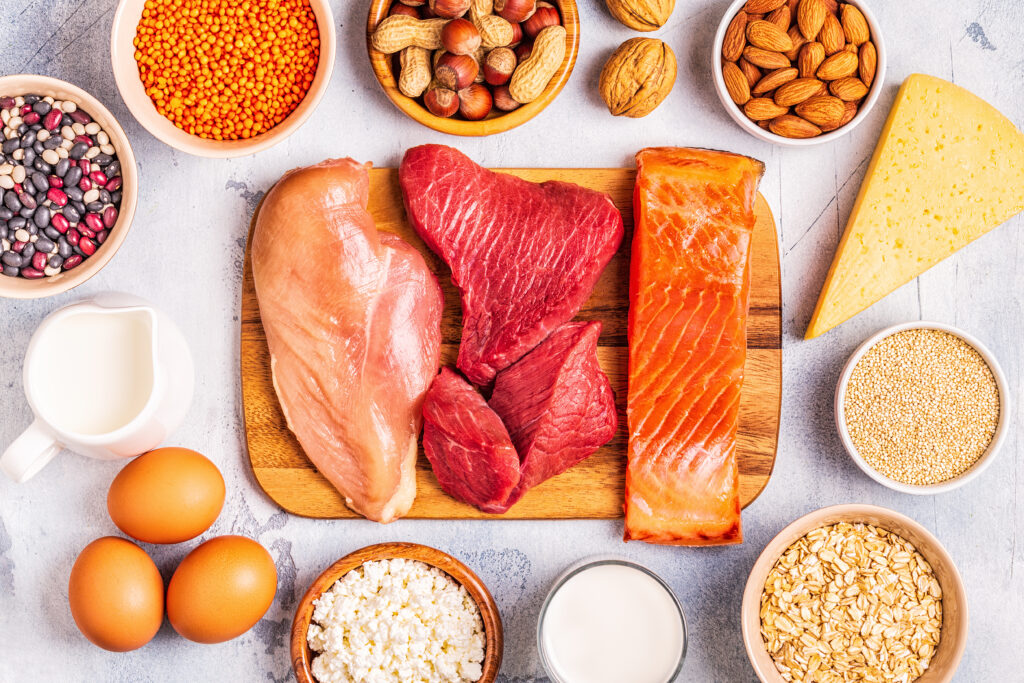
As a macronutrient, protein is necessary for muscle maintenance, tissue repair, and other biological functions.
Good high-protein foods include:
- Eggs
- Chicken breast
- Turkey
- Salmon
- Tuna
- Greek yogurt
- Cottage cheese
- Milk
- Lean beef
- Lentils
- Beans
- Chickpeas
- Tofu
- Tempeh
- Edamame
- Quinoa
- Pumpkin seeds
- Almonds
- Peanuts
- Shellfish
A high-protein guide from Healthline features both animal and plant sources, including eggs, chicken, Greek yogurt, cottage cheese, tofu, tempeh, lentils, fish, almonds, quinoa, and pumpkin seeds.
Cleveland Clinic notes that protein helps with muscle maintenance and fullness, but individual protein requirements may differ.
Easy High-Protein Breakfast
Try:
Greek yogurt + berries + chia seeds + walnuts
Or:
Scrambled eggs + whole-grain toast + oatmeal + avocado + fruit
These meals combine protein with fiber and healthy fats rather than relying on a protein supplement alone.
Fish Sources of Omega-3: Food Sources and Benefits
Omega-3s are essential fats, which means you have to get them from food.
Best Omega-3 Foods
| Food | Main Omega-3 Contribution |
|---|---|
| Salmon | EPA + DHA |
| Sardines | EPA + DHA |
| Mackerel | EPA + DHA |
| Trout | EPA + DHA |
| Chia seeds | ALA |
| Ground flaxseed | ALA |
| Walnuts | ALA |
| Hemp seeds | ALA |
Fatty fish can be especially beneficial because they not only offer high-quality protein but also essential EPA and DHA.
Plant foods such as chia, flax, and walnuts provide ALA.
Easy Ways to Add Omega-3 Foods
Sprinkle walnuts, chia seeds, or ground flaxseed over oatmeal and yogurt, or blend them into smoothies.
Add fatty fish such as salmon when possible throughout the week if it fits your eating pattern.
Best Foods That Are Loaded With Iron
Iron is a mineral that plays an important role in oxygen transport and other biological functions.
Foods high in iron include:
- Lean red meat
- Lentils
- Beans
- Chickpeas
- Spinach
- Tofu
- Pumpkin seeds
- Shellfish
- Fortified breakfast cereals
- Some whole grains
There are two main forms of dietary iron: heme iron and non-heme iron. Heme iron from animal foods is generally absorbed more easily than non-heme iron from plant foods.
You can also eat iron-containing foods with vitamin C-rich foods such as bell peppers, oranges, strawberries, and tomatoes, which can help improve the absorption of non-heme iron from plant-based foods.
Food alone may not be sufficient for treating confirmed iron deficiency. Consult a qualified healthcare professional if you are concerned about iron deficiency.
Food Sources Rich in Magnesium
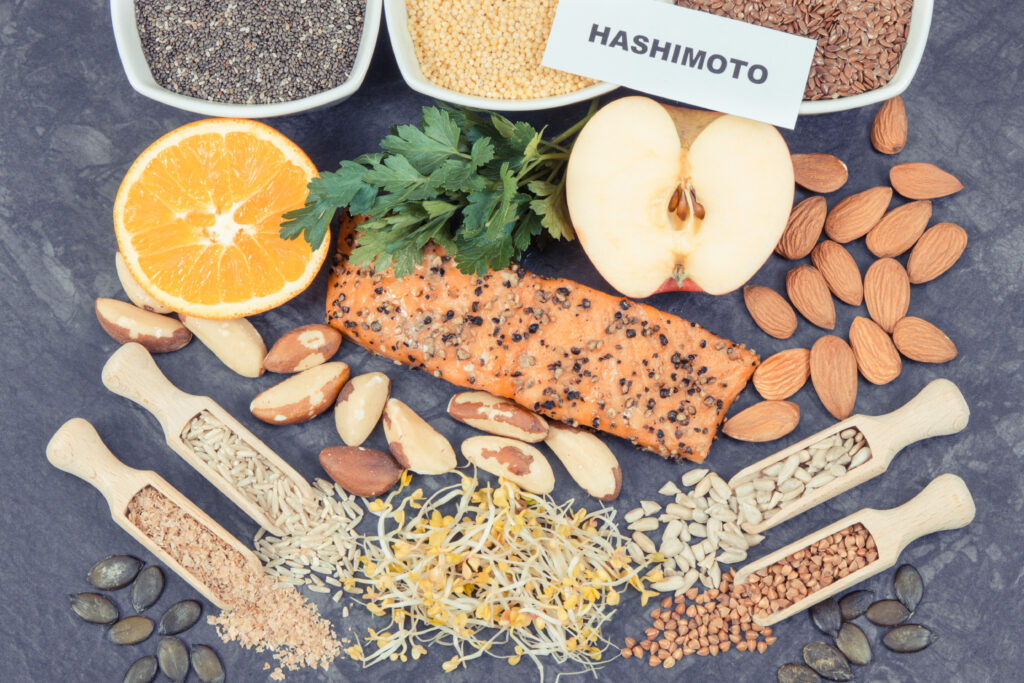
Magnesium is another key mineral found in many nutrient-rich foods.
Good magnesium-rich foods include:
- Pumpkin seeds
- Chia seeds
- Almonds
- Cashews
- Spinach
- Black beans
- Edamame
- Whole grains
- Avocado
- Dark chocolate
You don’t have to eat all of these in one sitting.
For example:
- Breakfast: Oatmeal + chia seeds
- Lunch: Black-bean bowl
- Snack: Almonds
- Dinner: Spinach + whole grains
A varied diet can be much easier to follow when you make small additions throughout the day.
Antioxidant-Rich Foods for More Variety
There are antioxidants present in many plant foods, and these substances help protect cells from oxidative damage.
Rather than seeking a single “most powerful antioxidant,” consume a variety of colorful foods.
Try adding:
- Blueberries
- Strawberries
- Cherries
- Grapes
- Pomegranate
- Tomatoes
- Spinach
- Kale
- Bell peppers
- Green tea
- Cocoa or dark chocolate
- Nuts and seeds
A Useful Rule
More colors = more variety.
Colored fruits and vegetables such as deep-red tomatoes, purple berries, green leafy vegetables, orange sweet potatoes, and colorful peppers provide varied nutrients and plant compounds.
Heart-Healthy Foods: Grocery List
Heart-Smart Dietary Patterns—Not Just One Food
A simple heart-health approach emphasizes fiber, antioxidants, especially flavonoids, omega-3 fats, vitamins, and minerals.
Berries, seeds, healthy dairy foods, and foods rich in unsaturated fats can all have a place in a heart-healthy eating pattern. Some guidance also suggests that dark chocolate can be enjoyed in moderation.
A variety of fruits, vegetables, fish, and whole grains can help create a balanced and colorful eating pattern.
A Simple Heart-Healthy Grocery List
- Oats
- Beans
- Lentils
- Berries
- Apples
- Leafy greens
- Broccoli
- Salmon
- Sardines
- Walnuts
- Chia seeds
- Ground flaxseed
- Extra-virgin olive oil
- Whole grains
- Avocado
The soluble fiber content of foods such as oats and beans may be useful for people working to regulate cholesterol levels as part of an overall heart-healthy eating pattern.
High-Fiber Foods for Better Digestive Health
Getting enough fiber each day is essential for a healthy and balanced diet.
High-fiber foods include:
- Oats
- Beans
- Lentils
- Chickpeas
- Apples
- Berries
- Pears
- Broccoli
- Brussels sprouts
- Chia seeds
- Flaxseed
- Whole grains
- Nuts
Fiber helps you feel full and promotes normal digestive function.
Easy Fiber Upgrade
Instead of:
White toast + sugary spread
Try:
Whole-wheat toast + avocado + eggs + berries
Instead of:
Chips
Try:
Apple + peanut butter
Small swaps can increase the overall nutrition profile of your meals without making your eating plan feel deprived.
Foods for a Gut-Friendly Diet
Your Food Intake Is Directly Related to Gut Health
The more diverse, fiber- and water-rich plant foods you eat, the better your gut microbiome may be supported.
Consider regularly including:
- Beans
- Lentils
- Oats
- Whole grains
- Fruits
- Vegetables
- Nuts
- Seeds
- Yogurt with live cultures
- Fermented foods you tolerate well
The goal is variety rather than relying on one probiotic food.
If a food gives you digestive issues every time, don’t assume that because it is “healthy,” it must also be right for your body. Individual tolerance matters.
Healthy Breakfast Ideas
It is very easy to combine several nutrient groups at breakfast.
Option 1: Anti-Inflammatory Oatmeal
Oats without added sugar + blueberries + walnuts + chia seeds + cinnamon
Provides:
- Fiber
- Plant compounds
- Healthy fats
- A moderate amount of protein
Option 2: High-Protein Breakfast Bowl
Greek yogurt + berries + pumpkin seeds + walnuts
Option 3: Savory Breakfast
Egg + spinach + avocado on whole-grain toast
The key point is not whether your breakfast is “perfect.”
Ask yourself:
Does your breakfast consistently provide protein + fiber + nutrient-dense whole foods?
The Easiest Way to Stay on Track: Healthy Meal Prep
Having healthy options already cooked makes eating well much simpler.
Use the four-part meal-prep method:
| Category | Examples |
|---|---|
| Proteins | Chicken, salmon, eggs, tofu, and lentils |
| Vegetables | Broccoli, peppers, carrots, and spinach |
| Carbohydrates | Brown rice, oats, quinoa, and potatoes |
| Healthy fats | Olive oil, avocado, walnuts, and seeds |
Then mix and match.
Example 3-Day Meal-Prep Rotation
| Day | Breakfast | Lunch | Snack | Dinner |
|---|---|---|---|---|
| Day 1 | Yogurt + berries | Chicken grain bowl | Apple + almonds | Salmon + broccoli |
| Day 2 | Oatmeal + walnuts | Lentil salad | Greek yogurt | Chicken + vegetables |
| Day 3 | Eggs + avocado | Tuna + greens | Berries + seeds | Lentils + vegetables |
This approach is far more sustainable than making seven entirely different complex recipes every Sunday.
The Healthy Plate Method
The simplest plate model is one of the easiest ways to put all these ideas into real food.
| Plate Portion | What to Include |
|---|---|
| ½ plate | Vegetables + fruit |
| ¼ plate | Protein |
| ¼ plate | Whole grains or other nutrient-dense carbohydrates |
| Add-on | Healthy fat |
For example:
- ½: Broccoli + peppers
- ¼: Grilled salmon
- ¼: Brown rice
- Add-on: Extra-virgin olive oil + avocado
This is not a strict medical prescription. Your personal portion sizes and food preferences can differ according to your energy requirements, preferences, culture, activity levels, and health status.
Important: Do Not Ignore Walking, Strength Training, and Sleep
Nutrition is most effective as a component of an overall healthy lifestyle.
According to Mayo Clinic, brisk walking can help with cardiovascular fitness and endurance, as well as mood, sleep, and physical function, while supporting healthy weight maintenance when performed regularly.
Strength training should also be an important part of an overall fitness routine. Mayo Clinic notes that strength training can support muscle mass, strength, bone health, and body composition.
A Simple Weekly Framework
- Daily: Walk and stand more, and avoid sitting for too long.
- 2+ days/week: Include muscle-strengthening activity.
- Every night: Practice good sleep hygiene.
You don’t have to be a professional athlete. Small bursts of activity can add up over time.
Limit Food Types Without Making a “No-No Foods” List
There is no need to completely deprive yourself of dessert, pizza, or your favorite snack when eating healthy.
Instead, focus on reducing foods that are very high in:
- Added sugars
- Excess sodium
- Refined carbohydrates
- Saturated fats
- Highly processed ingredients
Cleveland Clinic’s anti-inflammatory recommendations particularly note reducing highly processed foods, fried foods, sweets, and ultra-processed meats.
Instead of thinking in terms of “good food” and “bad food,” think in terms of foods to eat more often and foods to eat less often.
This can create a more sustainable mindset in which you feel more freedom while still making healthier choices.
The Simple 7-Day Healthy Food Strategy
You don’t need a complicated diet plan.
Day 1
Add berries to breakfast.
Day 2
Substitute one serving of a refined grain for a whole grain.
Day 3
Add beans or lentils at lunch.
Day 4
Have a serving of oily fish if it fits your eating routine.
Day 5
Sprinkle a handful of nuts or seeds over a meal or snack.
Day 6
Pre-prepare vegetables and protein.
Day 7
Walk briskly for a while and notice which healthy habits were easy to stick with.
Next, simply repeat the habits that worked.
Frequently Asked Questions
What Are the Healthiest Foods to Eat Daily?
A diverse selection of vegetables, fruits, whole grains, and legumes, along with protein-rich foods such as fish or beans and healthy fats from nuts and seeds, provides a solid foundation. No single food gives you everything your body requires.
What Are Some of the Most Well-Known Anti-Inflammatory Foods?
Some popular options include berries, fatty fish, broccoli, leafy greens, olive oil, tomatoes, nuts and seeds, whole grains, and legumes. A single food does not matter as much as the overall dietary pattern.
What Are the Best High-Protein Foods You Can Eat?
Useful options include eggs, Greek yogurt, cottage cheese, poultry such as chicken or turkey, fish, lean meat, lentils, beans, chickpeas, peas, tofu, tempeh, edamame, nuts, and seeds.
Which Foods Are High in Magnesium?
Examples include pumpkin seeds, chia seeds, almonds, cashews, spinach, beans, whole grains, and avocado.
What Foods Contain Omega-3s?
Salmon, sardines, mackerel, and trout are sources of EPA and DHA. Chia seeds, flaxseed, and walnuts provide non-animal sources of ALA.
Can Healthy Food Reduce Inflammation?
Whole and minimally processed foods can support an overall dietary pattern associated with healthy inflammatory processes. However, food should not be presented as a treatment for an inflammatory disease. Individual health conditions and responses differ.
Is Meal Prep Worth It?
For many people, yes. If you have your protein, vegetables, and whole-food carbohydrates prepared ahead of time, it becomes much easier to choose nutritious options when things are chaotic.
The Bottom Line
The most restrictive diet is almost never the healthiest.
The healthiest approach is the one you can stick to consistently.
Build your meals around:
- Vegetables and fruit
- Quality protein
- High-fiber whole foods
- Omega-3-rich foods
- Nuts and seeds
- Healthy fats
- Beans and legumes
- Adequate hydration
Rotate your nutrition with consistent movement, resistance training, sleep, and stress management.
You don’t need to overhaul an entire meal plan overnight.
Try swapping one meal, taking one walk, or even making one healthier grocery-store choice.
It Is Time to Make Healthy Eating Easier
You don’t need a perfect plan. You just need a plan that you can live with and maintain for your health.
For other evidence-informed nutrition, fitness, and wellness guides, visit HealthCrestHub and pick one healthy habit to implement right now.
Start small. Eat better. Move more. Feel better. Make it sustainable.
Medical & Editorial Note
Disclaimer: This article is for general educational purposes only and does not constitute individual medical advice, diagnosis, or treatment. Nutrition needs differ between individuals. Consult with a qualified healthcare professional before making significant dietary changes if you have a diagnosed medical condition, food allergy or intolerance, nutritional deficiency, are pregnant or nursing, are taking prescribed medication, or are considering significant changes to your exercise routine.
Sources & Editorial Research
This article is based on updated guidance and educational material from credible clinical and health publishing sources, including Cleveland Clinic, Mayo Clinic, Healthline, and Verywell Health. These sources provide guidance on nutrition, anti-inflammatory eating, protein, heart health, walking, and strength training.