Healthy Grocery Shopping Tips That Actually Work
Ever notice how you walk into the store for milk and eggs and somehow leave with a bag of chips, a two-liter soda, and a candy bar you don’t even remember picking up? That’s not an accident. Grocery stores are designed to make impulse buying easy, and if you don’t have some kind of strategy, your cart fills up with things that have nothing to do with what you actually planned to cook.
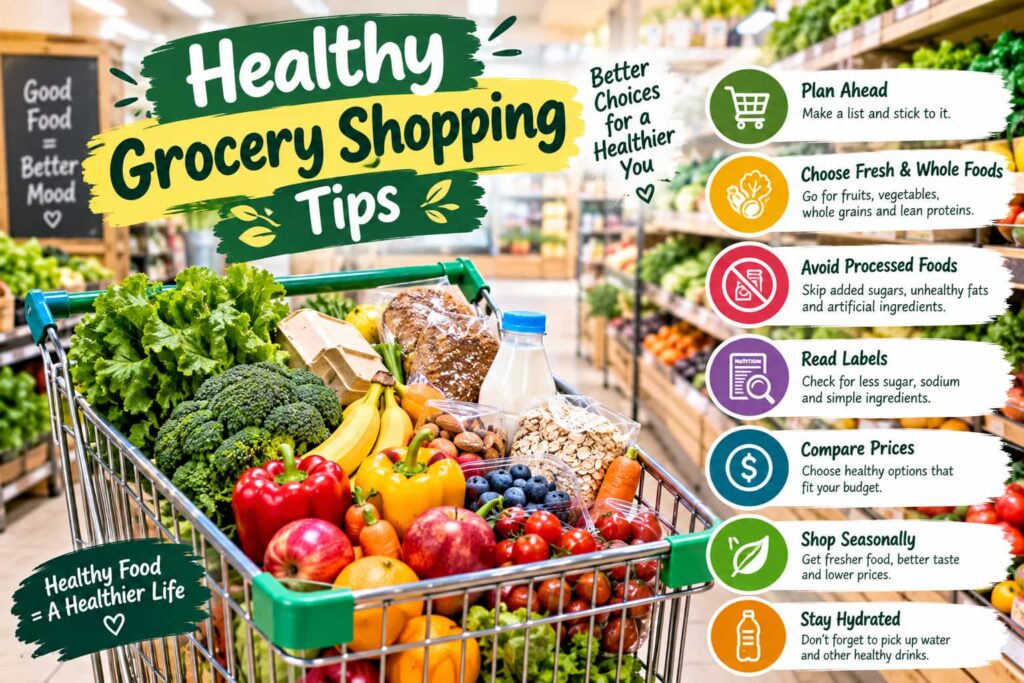
The good part is, fixing this doesn’t take a nutrition course or a strict diet plan. It’s mostly a handful of small habits, repeated every time you shop. Here’s what’s worked for me and for a lot of people who’ve finally gotten their grocery runs under control.
Don’t Go in Hungry
I know, everyone says this one, but it’s repeated so often because it’s true. When you’re hungry, your brain is looking for fast calories sugar, salt, fat not broccoli. Stores know this too, which is exactly why the bakery smell hits you right at the entrance. Eat something small before you leave the house. Even a banana or a handful of almonds takes the edge off enough that you can actually think about your list instead of your stomach.
Write an Actual List
Not a mental one. An actual list, written down or typed into your phone, based on two or three meals you’re planning to cook that week. Before you write it, take thirty seconds to check what’s already sitting in your fridge half an onion, some eggs, that bag of spinach that’s about to turn. Build around what you have first, then fill in the gaps. This one habit alone probably saves more money than any coupon ever will.
Shop the Edges of the Store First
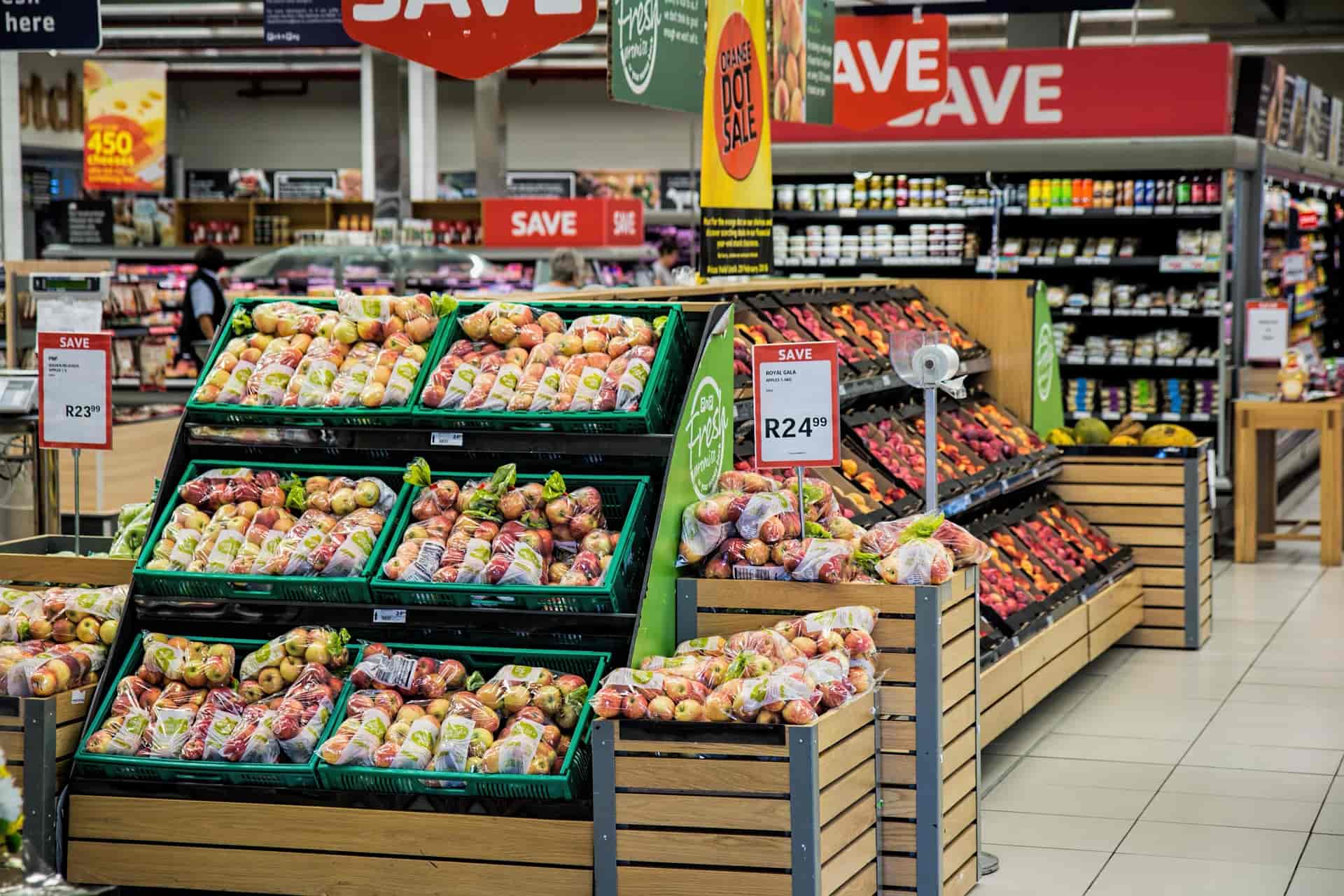
Most supermarkets are built the same way: produce, dairy, meat, and bakery around the outside walls, and the packaged, processed stuff stacked in the middle aisles. If you start your trip along the perimeter, you naturally load up on fresh food before you even hit the cereal and snack aisles. By the time you get to the middle, your cart’s already half full of real food, and you’re less tempted to fill the rest with junk.
Actually Flip the Package Over
Front-of-package labels are basically advertising. “Natural,” “low-fat,” “made with real fruit” none of that is regulated the way you’d hope. The Nutrition Facts panel on the back tells the real story. A quick rule from the FDA: if a nutrient is 5% of the Daily Value or less per serving, that’s considered low; 20% or more is considered high. So if you’re comparing two jars of pasta sauce and one has 20% DV sodium while the other has 6%, that’s your answer right there, no guessing required.
Frozen Isn’t a Downgrade
A lot of people assume frozen vegetables are somehow “less healthy” than fresh ones. In practice, frozen produce is usually picked and frozen within hours of harvest, which locks in the nutrients pretty well sometimes better than fresh produce that’s spent a week traveling and sitting on a shelf. Keep a couple of bags of frozen peas, spinach, or mixed veggies in the freezer for nights when you didn’t make it to the store.
Watch for Sugar and Sodium Hiding in Plain Sight
Bread, pasta sauce, salad dressing, granola bars sugar shows up in places you wouldn’t expect, often under names like dextrose, cane syrup, or maltose instead of just “sugar.” Sodium works the same way, hiding in canned soups and deli meats. It only takes a second to check, but it adds up over months of shopping.
Swap Refined Grains for Whole Ones
White bread, white rice, and regular pasta have had the fiber-rich parts stripped out during processing. Whole grain versions keep that intact, which generally means better digestion and steadier energy instead of a sugar crash an hour after lunch. It’s a small swap, but it’s one of the easier ones to stick with long-term.
A Few Common Swaps, Side by Side
| Category | Typical Choice | Better Option |
|---|---|---|
| Bread | White bread | 100% whole wheat bread |
| Rice | White rice | Brown rice or quinoa |
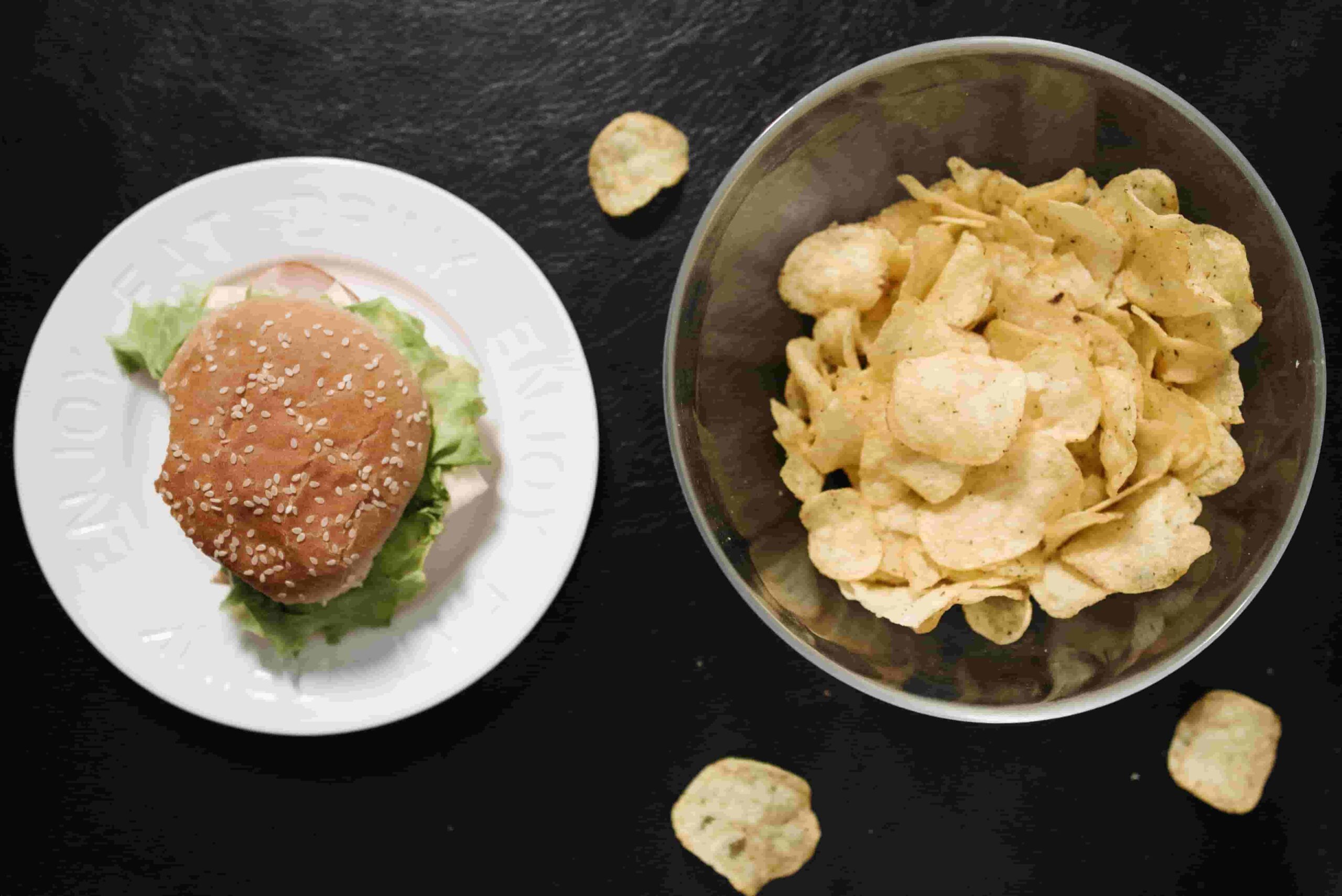
| Snacks | Potato chips | Roasted nuts or plain popcorn |
| Dairy | Flavored yogurt | Plain yogurt + fresh fruit |
| Cooking oil | Refined vegetable oil | Olive oil |
| Drinks | Soda or sweetened juice | Sparkling water or unsweetened tea |
| Protein | Processed deli meat | Fresh chicken, eggs, or beans |
Healthy Doesn’t Have to Mean Expensive
This is probably the biggest myth around grocery shopping. Beans, lentils, eggs, oats, frozen vegetables, and whatever produce is in season are some of the cheapest things in the store, and they’re also some of the most nutritious. Store brands are almost always identical to name brands in terms of ingredients. Check the unit price (the small number per ounce or per pound), not just the sticker price sometimes the “bigger” package is actually a worse deal.
Cook a Little Extra, Save Yourself Later
Making a bit more than you need and planning a meal or two around the leftovers cuts down on both waste and those “I’m too tired to cook” takeout orders. It also means the healthy stuff you bought actually gets eaten instead of going bad in the back of the fridge.
The Bottom Line
None of this requires perfection. You don’t need to overhaul your whole cart overnight just pick two or three of these habits and try them on your next trip. A list, a snack before you leave, checking the label instead of the front of the box. That’s usually enough to shift what ends up on your plate during the week. If you want to take it a step further, pairing this with a simple weekly meal planning routine makes the whole process a lot less stressful. The USDA’s grocery shopping guide is also a solid, no-nonsense resource if you want more structured guidance straight from the source.
Frequently Asked Questions
1. What’s the single best habit for healthy grocery shopping? Honestly, it’s writing an actual list before you go and sticking to it. It sounds too simple, but it cuts down on impulse buys more than any other single trick.
2. Is frozen produce actually as good as fresh? Pretty much, yes. Frozen fruits and vegetables are usually frozen within hours of being picked, so the nutrient loss is minimal often less than “fresh” produce that’s been sitting around for days.
3. How do I know if a packaged food is actually healthy or just marketed that way? Ignore the front of the package and flip it over. The Nutrition Facts label serving size, added sugar, sodium, and % Daily Value tells you a lot more than words like “natural” or “light” ever will.
4. Will eating healthy make my grocery bill more expensive? Not really, and it can even go the other way. Beans, eggs, oats, and seasonal produce are some of the cheapest items in the store and among the most nutritious.
5. How often should I actually go grocery shopping? Once a week is enough for most people, with maybe a quick mid-week stop for anything perishable like bread or fresh produce that doesn’t last the full week.