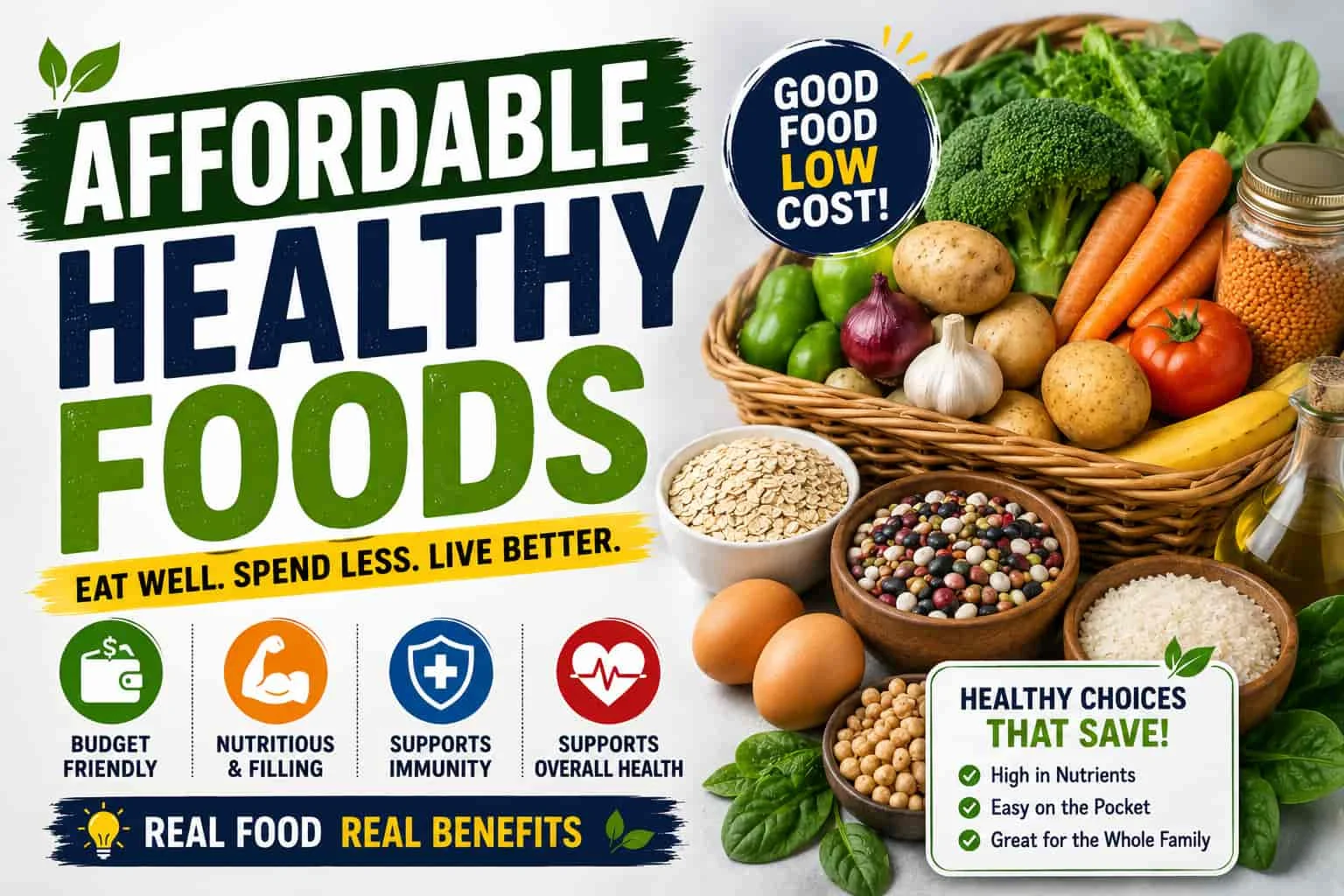
For a while I genuinely believed eating healthy just cost more, period. Every “clean eating” post online had avocado toast, salmon, and some powder that cost thirty dollars a bag. Then one month money was tight and I had to figure out how to actually eat well on almost nothing, and it turned out most of what actually keeps you healthy was sitting in the cheap aisle the whole time. Beans, eggs, oats, frozen vegetables. None of it Instagram-worthy, all of it does the job.
If you’ve been putting off eating better because it feels expensive, here’s what’s actually cheap and actually good for you.
Eggs
Still one of the best deals in the entire grocery store. A dozen eggs costs next to nothing compared to almost any other protein source, and you get solid protein, choline, and vitamin D out of them. Scrambled, boiled, fried, doesn’t matter, they’re fast and they don’t need much else.
Beans and Lentils
Dried or canned, these are ridiculously cheap for what you get. Fiber, plant protein, and they fill you up in a way rice alone never does. A bag of dried lentils costs a couple dollars and stretches across multiple meals if you’re not wasteful with it.
I started doing a big pot of lentil soup on Sundays just so I’d have something ready during the week. Saved money and time, which almost never happens together.
Frozen Vegetables
People act like frozen means worse, but it’s usually the opposite. Vegetables get frozen right after picking, so the nutrients are often better preserved than fresh produce that’s been sitting on a shelf for a week. And frozen doesn’t go bad if you forget about it for a few days, which fresh spinach absolutely will.
Oats
Plain oats, not the flavored packets loaded with sugar. A big container costs a few dollars and lasts weeks. Fiber, decent protein for a grain, and it keeps you full longer than most cheap breakfast options.

Canned Fish
Sardines and canned salmon get overlooked constantly, probably because they’re not glamorous. But they’re some of the cheapest ways to get omega-3s and protein without needing to cook anything fresh. I keep a couple cans in the pantry for days when cooking just isn’t happening.
Peanut Butter
Natural peanut butter, the kind with just peanuts and maybe salt, gives you protein and healthy fat for cheap. Goes on toast, into oatmeal, works as a quick snack with an apple. Not fancy, just useful.
Budget Grocery Comparison
| Food | Approx Cost | What You Get |
|---|---|---|
| Eggs (dozen) | Low | Protein, choline, vitamin D |
| Dried lentils (1 lb) | Very low | Fiber, plant protein, stretches across meals |
| Frozen vegetables | Low | Vitamins, fiber, long shelf life |
| Oats (bulk) | Low | Fiber, filling breakfast base |
| Canned sardines | Low | Omega-3s, protein, no cooking needed |
| Peanut butter | Moderate | Protein, healthy fats |
Seasonal Produce
Whatever’s in season at your local store or farmers market is usually cheaper and tastes better than the stuff shipped from somewhere else out of season. Apples in fall, citrus in winter, berries in summer. It changes depending where you live, but checking what’s actually in season before buying produce saves more than people expect.
Rice and Whole Grains
Brown rice, barley, whatever’s on sale. Cheap per serving, filling, and a decent base to build a meal around instead of relying on more expensive proteins to do all the work. Buying in bulk drops the price even further if you go through it regularly.
A Few Things That Actually Helped Me Save Money
- Buying dried beans instead of canned when I had time to soak them
- Sticking to a list instead of wandering the store hungry
- Cooking a big batch on the weekend instead of separate meals every night
- Choosing frozen over fresh for anything I wasn’t using within a couple days
- Checking unit prices instead of just the sticker price on the shelf
None of these are groundbreaking, honestly, but doing them consistently made a bigger difference than any single “healthy” purchase ever did.
If you want to go further, our guide to meal prepping on a budget and breakdown of nutrient-dense foods for adults go into more detail on building meals around these staples.
According to the USDA Economic Research Service, staple foods like beans, eggs, and grains consistently rank among the most cost-effective sources of nutrition available, which lines up with everything mentioned here. The Harvard T.H. Chan School of Public Health also has good breakdowns on eating well without spending a lot, if you want to dig deeper.
Frequently Asked Questions
1. What are the cheapest healthy foods to buy regularly? Eggs, dried beans and lentils, oats, frozen vegetables, and canned fish are consistently among the most affordable options that also happen to be genuinely healthy.
2. Is frozen produce as healthy as fresh? In most cases, yes. Frozen vegetables are typically frozen shortly after harvest, which can actually preserve more nutrients than fresh produce that’s spent days in transit and on shelves.
3. How can I eat healthy on a tight weekly budget? Build meals around cheap staples like beans, eggs, and rice, buy what’s in season, and batch cook on weekends so you’re not relying on expensive convenience food during the week.
4. Are canned foods less nutritious than fresh? Not necessarily. Canned beans, fish, and some vegetables retain most of their nutrition and are often more affordable and longer-lasting than fresh equivalents.
5. Do I need to give up variety to eat affordably? Not really. Rotating a handful of cheap staples in different combinations, different spices, different meals, keeps things interesting without needing an expensive grocery list.
Final Thoughts
That tight month years ago ended up teaching me more about eating well than any diet advice I’d read before it. Turns out you don’t need expensive ingredients to eat healthy, you just need to know which cheap ones actually pull their weight. Beans, eggs, oats, frozen veggies, that’s most of it right there, and it’s been the base of how I eat ever since, budget tight or not.