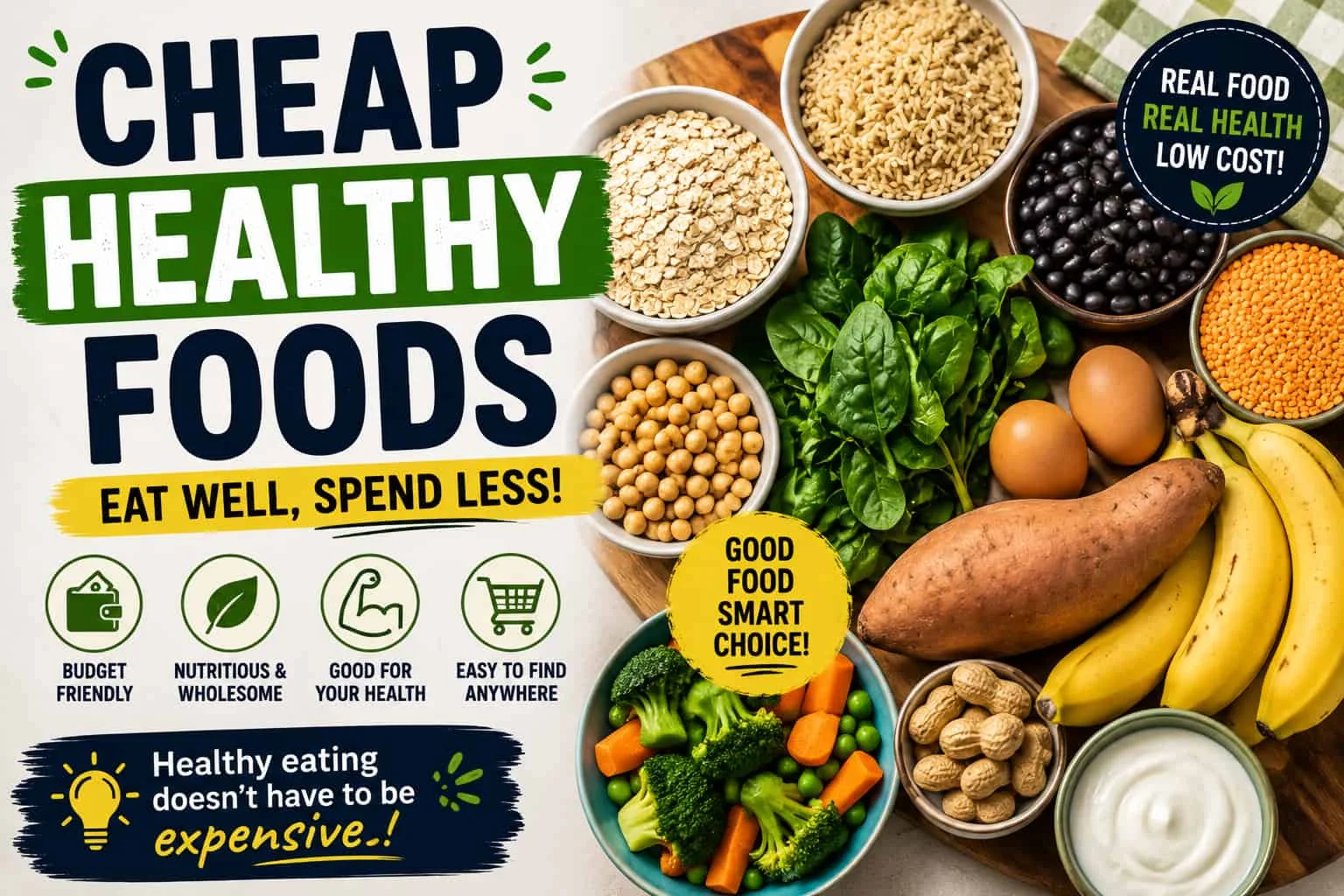
Groceries have gotten expensive enough that “eat healthy” can start to feel like advice for people with money to spare. It’s not, though. Some of the most nutrient-dense foods out there are also some of the cheapest you just have to know which ones, since the marketing around “healthy” food usually points you toward the pricier stuff.
I went through what dietitians actually recommend for eating well on a tight budget, and the list is honestly less exciting than kale chips and protein powder it’s beans, oats, eggs, and frozen vegetables. But it works, and it’s a lot cheaper than it sounds.
Why “Healthy” Doesn’t Have to Mean Expensive
The trap most people fall into is assuming healthy eating requires fresh, organic, or specialty items. In reality, a lot of the healthiest foods are shelf-stable staples that have been cheap for decades rice, beans, oats, eggs. Frozen and canned produce also hold onto most of their nutrients and often cost less than fresh, especially out of season, so they’re not a downgrade, just a different form.
The real skill isn’t finding rare “superfoods.” It’s building meals around a small rotation of affordable staples and not overthinking it.
Quick Reference: Cheap Healthy Staples
| Food | Roughly How Cheap | What It’s Good For |
|---|---|---|
| Eggs | A few cents per egg | Protein, B12, choline |
| Dried beans/lentils | Under $2 per pound | Protein, fiber, iron |
| Oats | Around 10 cents per serving | Fiber, heart health, keeps you full |
| Frozen vegetables | Often cheaper than fresh | Vitamins, minerals, no spoilage |
| Bananas | Around 50–60 cents per pound | Potassium, fiber, quick energy |
| Brown rice | Cheap in bulk | Fiber, B vitamins, filling base |
| Canned tuna or sardines | A couple dollars per can | Protein, omega-3s |
| Peanut butter (natural) | Cheap per serving | Protein, healthy fats |
Beans and Lentils Are the MVP
If there’s one category that does the most for the least money, it’s legumes. Dried beans and lentils are packed with plant protein, fiber, and iron, and a single bag can stretch across several meals for just a few dollars. They’re filling in a way that keeps you from snacking an hour later, and they work in almost anything soups, rice bowls, tacos, salads. Canned versions cost a bit more but save the soaking and cooking time, which is a fair trade if you’re short on time.
Eggs Are Still One of the Best Deals in the Grocery Store
Even with price swings over the past couple of years, eggs remain one of the most efficient sources of protein you can buy. They’re versatile enough to eat any time of day, and a dozen typically covers several meals. Scrambled with frozen spinach, boiled for a quick snack, or turned into a simple fried rice eggs do a lot of heavy lifting for very little money.

Oats Are Boring, Cheap, and Actually Great for You
A half-cup of dry oats costs pennies and turns into a filling breakfast that holds you over for hours. They’re rich in a fiber called beta-glucan, which is linked to lower cholesterol, and they take on flavor well cinnamon, peanut butter, frozen berries, whatever you’ve got. Buying the plain, unflavored kind in bulk is almost always cheaper than the individual flavored packets, and you control the sugar.
Frozen Vegetables Aren’t a Downgrade
There’s a lingering idea that frozen means lower quality, but frozen vegetables are typically flash-frozen at peak ripeness, which locks in nutrients fairly well. They also don’t go bad in the back of your fridge the way fresh produce does, so you’re not throwing money away on wilted spinach. Bags of frozen kale, spinach, broccoli, and mixed vegetables are an easy way to add volume and nutrients to almost any meal without much cost or effort.
Bananas and Seasonal Fruit
Bananas are consistently one of the cheapest fruits available and a solid source of potassium and fiber. Beyond bananas, buying whatever fruit is in season locally usually gets you the best price, since it’s abundant and doesn’t need to be shipped from far away. Canned fruit packed in juice (not heavy syrup) is a reasonable backup when fresh options are limited or pricier.
Brown Rice and Whole Wheat Pasta
Both are cheap in bulk and go a long way as a base for meals. Brown rice has more fiber than white rice for a similar price, and whole wheat pasta offers a similar fiber and protein boost over the regular kind. Neither is glamorous, but they’re the kind of pantry staple that turns a handful of vegetables and a protein into an actual meal.
Canned Fish for Cheap Protein and Omega-3s
Canned tuna, salmon, or sardines are an easy way to get lean protein and omega-3 fats without paying fresh-fish prices. They keep for a long time in the pantry, need zero prep, and work in sandwiches, salads, or straight over rice.
A Few Tips to Stretch It Further
- Buy generic or store-brand versions the ingredients are usually identical to name brands
- Stick to a list at the store so you’re not tempted by impulse buys
- Cook in batches and freeze portions to avoid food waste
- Check unit prices, not just the sticker price, especially for bulk bags
For more ways to plan meals around a tighter budget, check out our guide on simple budget meal planning, and if you’re building out a full pantry list, our affordable pantry staples checklist is a good next stop.
FAQs
1. What are the cheapest healthy foods to buy regularly? Eggs, dried beans and lentils, oats, frozen vegetables, and bananas are consistently among the cheapest options that also offer real nutritional value.
2. Are frozen vegetables as healthy as fresh ones? Yes, in most cases. Frozen vegetables are usually frozen at peak ripeness, which helps preserve their nutrients, and they don’t spoil the way fresh produce can.
3. How can I eat healthy on a very tight grocery budget? Focus on a small rotation of affordable staples like rice, beans, eggs, and oats, buy store-brand items, and cook in batches to avoid waste and repeat trips to the store.
4. Is canned food less nutritious than fresh food? Not necessarily. Canned beans, fish, and fruit (especially packed in water or juice rather than syrup) retain much of their nutritional value and are often cheaper than fresh equivalents.
5. What’s a cheap source of protein besides meat? Eggs, dried beans, lentils, canned tuna or sardines, and natural peanut butter are all affordable protein sources that don’t rely on expensive cuts of meat.
Final Thoughts
Eating healthy on a budget isn’t about finding secret cheap superfoods it’s about leaning on the staples that have quietly been affordable and nutritious all along. Beans, eggs, oats, frozen vegetables, and a few pantry basics can cover most of what your body actually needs, without the grocery bill that usually comes with “healthy” branding.
Further reading: