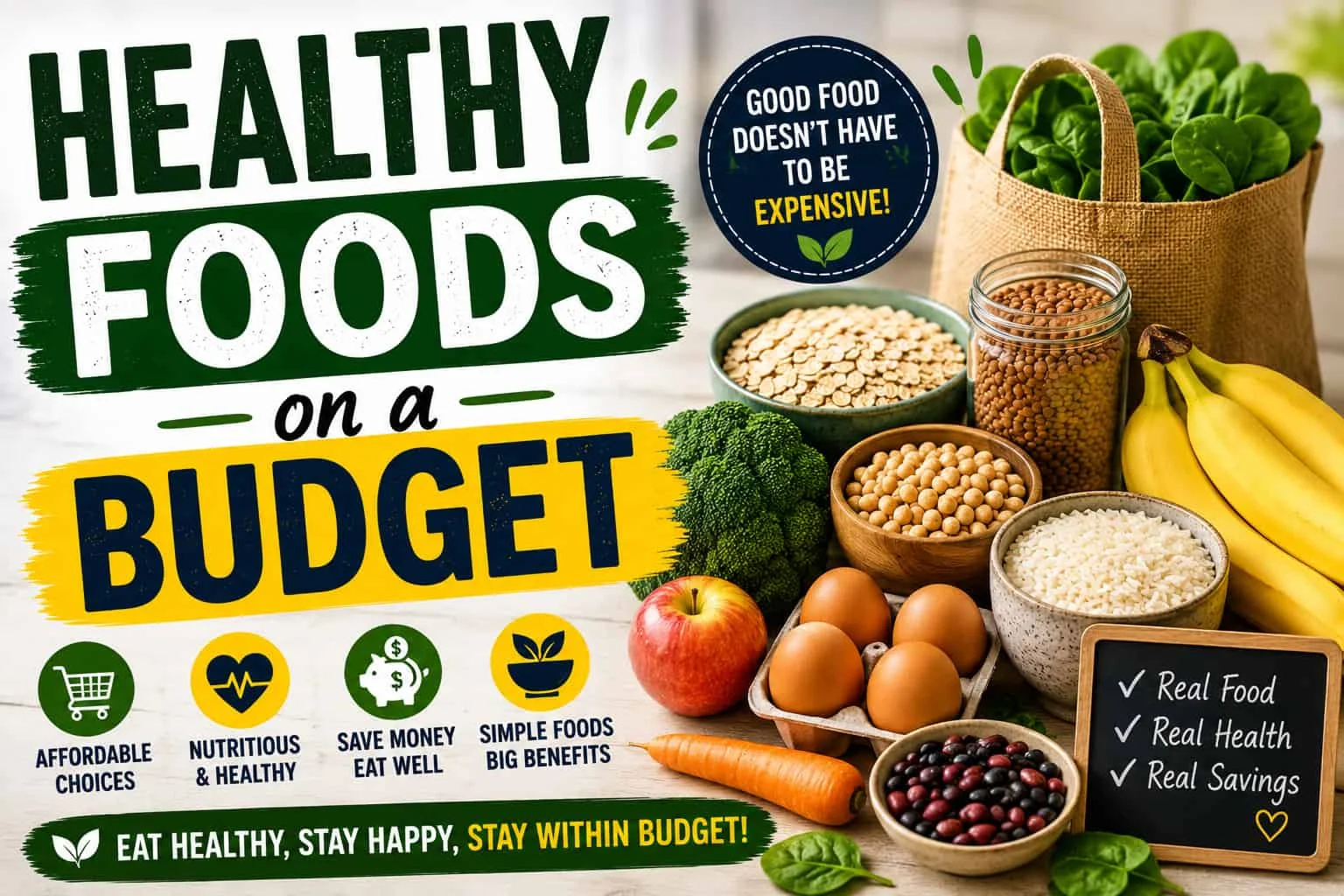
Every few months I hear the same complaint from someone: “eating healthy is just too expensive.” And I get why people think that. Walk into any grocery store and the health food aisle looks like it’s priced for a different tax bracket. But here’s the thing — most of that aisle isn’t where the real value is. The actual answer to healthy foods on a budget is usually sitting somewhere far less glamorous: the bulk bins, the frozen section, the eggs.
I’ve gone through periods where money was tight and periods where it wasn’t, and honestly, my grocery cart didn’t change all that much. What changed was how much I planned ahead versus how much I just grabbed whatever looked good in the moment.
The Real Problem Isn’t Money, It’s Planning
This might sound a little harsh, but hear me out. A dozen eggs, a bag of lentils, a few pounds of rice none of that is expensive. What gets expensive is buying groceries without a plan, letting produce go bad in the fridge, or relying on pre-made meals because there’s no time to cook. Healthy foods on a budget isn’t really a shopping problem. It’s a planning problem wearing a shopping problem’s clothes.
That doesn’t mean budgeting is easy, especially with prices climbing the way they have. But once you know which foods give you the most nutrition for the least money, the rest starts falling into place.
Things That Actually Move the Needle
Build meals around a few cheap staples. Rice, oats, lentils, whatever vegetables are in season these aren’t exciting, but they’re the backbone of almost every affordable, healthy diet on the planet.
Buy the boring stuff in bulk. Beans and grains barely go bad. Buying them in larger amounts almost always works out cheaper per serving, and there’s no rush to use them before they spoil.
Don’t write off frozen vegetables. I used to think frozen was the “lesser” option until I looked into it frozen produce is usually picked and frozen at peak ripeness, so nutritionally it often holds up just as well as fresh, sometimes better, since fresh vegetables can lose nutrients just sitting around during shipping.
Cut back on meat, not protein. Meat is usually the priciest line item on a receipt. Swapping it out a couple times a week for eggs, lentils, or chickpeas keeps protein intake up without the price tag.
Cook more than you need. Making a bigger batch and freezing half of it means fewer nights where you’re too tired to cook and end up ordering food instead which, let’s be honest, is where budgets usually fall apart.
What These Foods Actually Cost
Numbers help more than vague advice, so here’s a rough breakdown of some genuinely cheap, nutrient-dense staples and what they’re good for.
| Food | Rough Cost Level | What It Gives You | Where It Fits |
|---|---|---|---|
| Eggs | Low | Protein, B12, choline | Breakfast, quick snacks |
| Lentils | Very low | Protein, fiber, iron | Soups, curries, stews |
| Oats | Very low | Fiber, slow-release carbs | Breakfast, baking |
| Bananas | Low | Potassium, fiber | Snacks, smoothies |
| Frozen mixed vegetables | Low | Vitamins, minerals | Stir-fries, sides |
| Brown rice | Low | Complex carbs, magnesium | Main dishes |
| Peanut butter | Low-moderate | Protein, healthy fats | Spreads, quick snacks |
| Canned tuna | Moderate | Protein, omega-3s | Sandwiches, salads |
| Seasonal vegetables | Low | Fiber, varies by type | Sides, salads |
| Plain yogurt | Moderate | Protein, calcium | Breakfast, snacks |
None of this is exotic. That’s kind of the point the foods that actually help your budget aren’t the ones with fancy labels.

A Day of Eating That Doesn’t Cost Much
Just so this isn’t all theory, here’s roughly what a day could look like:
- Breakfast: Oats, a sliced banana, a spoonful of peanut butter
- Lunch: Lentil soup, brown rice, whatever vegetable is cheapest that week
- Snack: A boiled egg or a small handful of nuts
- Dinner: Frozen vegetables stir-fried with chickpeas or tuna, served over rice
It’s not fancy, but it covers protein, fiber, and enough variety to not get boring after three days.
Mistakes That Quietly Wreck a Grocery Budget
- Shopping while hungry you will buy things you don’t need, every time
- Skipping the list and “winging it” at the store
- Grabbing sale items without checking if you’ll actually use them before they spoil
- Comparing sticker prices instead of price per unit, which can be misleading on bigger packages
If you’re trying to build this into a longer-term habit, it might also help to look at simple meal prep ideas for beginners or budget-friendly dinner recipes for busy weeknights both go a bit deeper into the how, once you’ve got the what down.
For anyone who wants to dig into the nutrition side more, the USDA’s MyPlate guidelines and the Harvard T.H. Chan School’s Nutrition Source are solid, well-researched places to start.
Bottom Line
You don’t need a big budget to eat well. You need a handful of cheap staples, a rough plan for the week, and the willingness to skip the fancy packaging in favor of what actually works. Eggs, oats, lentils, frozen vegetables none of it looks impressive on Instagram, but it’s what keeps both your health and your wallet in decent shape.
Frequently Asked Questions
1. What are the cheapest healthy foods to buy? Eggs, oats, lentils, rice, bananas, and frozen vegetables are usually the best value cheap, filling, and genuinely nutrient-dense.
2. Is frozen produce actually as healthy as fresh? In most cases, yes. It’s often frozen right after harvest, which locks nutrients in, while fresh produce can lose some of its value just sitting in transit or storage.
3. How do I eat healthy without spending more each week? Plan meals around a few affordable staples, buy shelf-stable items in bulk, cut back on meat a few days a week, and cook bigger batches so you’re not tempted to order out.
4. Do I need supplements if I’m eating on a tight budget? Not usually. A diet built around whole foods like eggs, legumes, and whole grains covers most of what people need without extra supplements.
5. What’s one easy change to start eating healthier without spending extra? Swap one takeout or processed meal a week for something home-cooked using cheap staples like lentils, rice, or eggs. Small swaps add up faster than people expect.