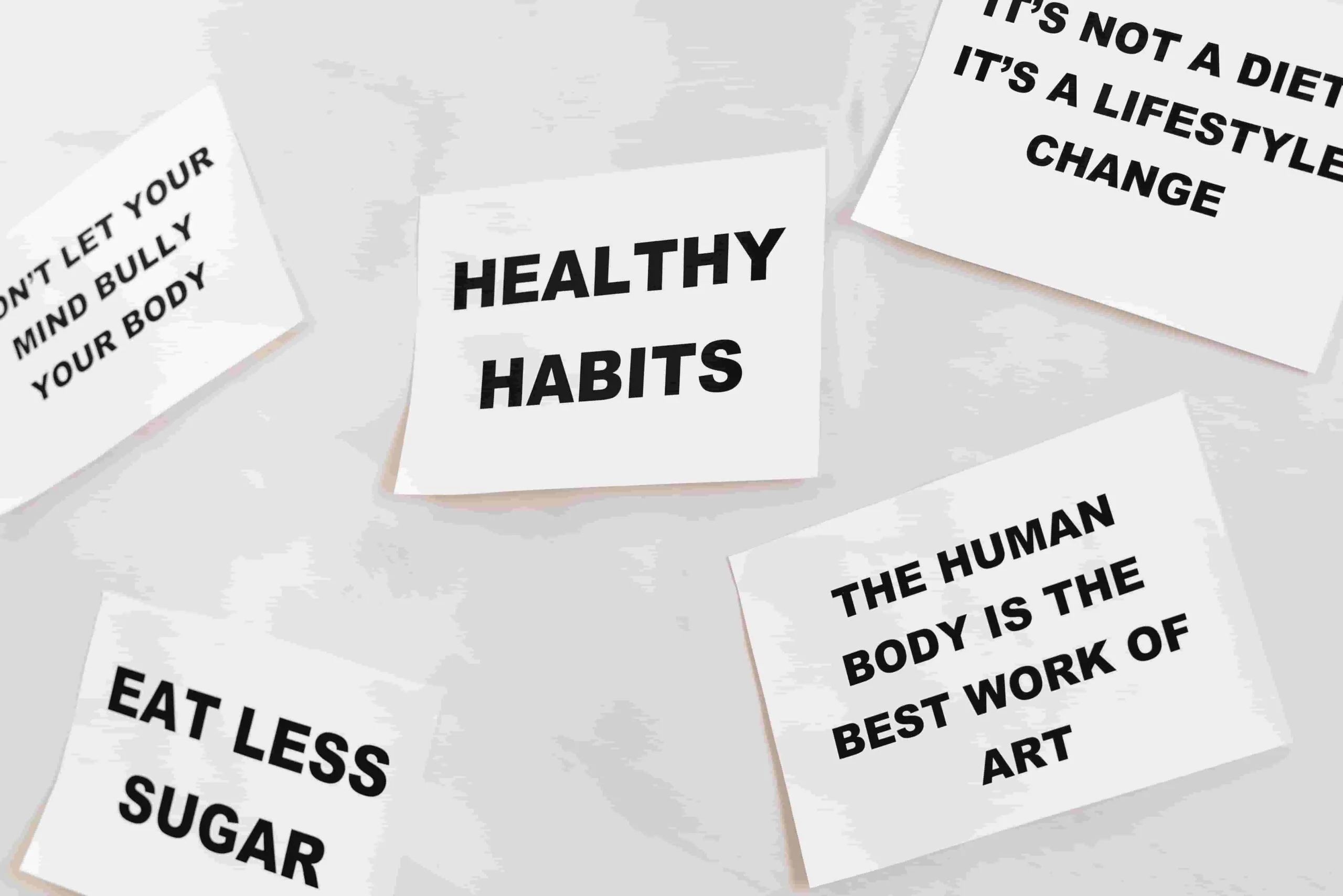
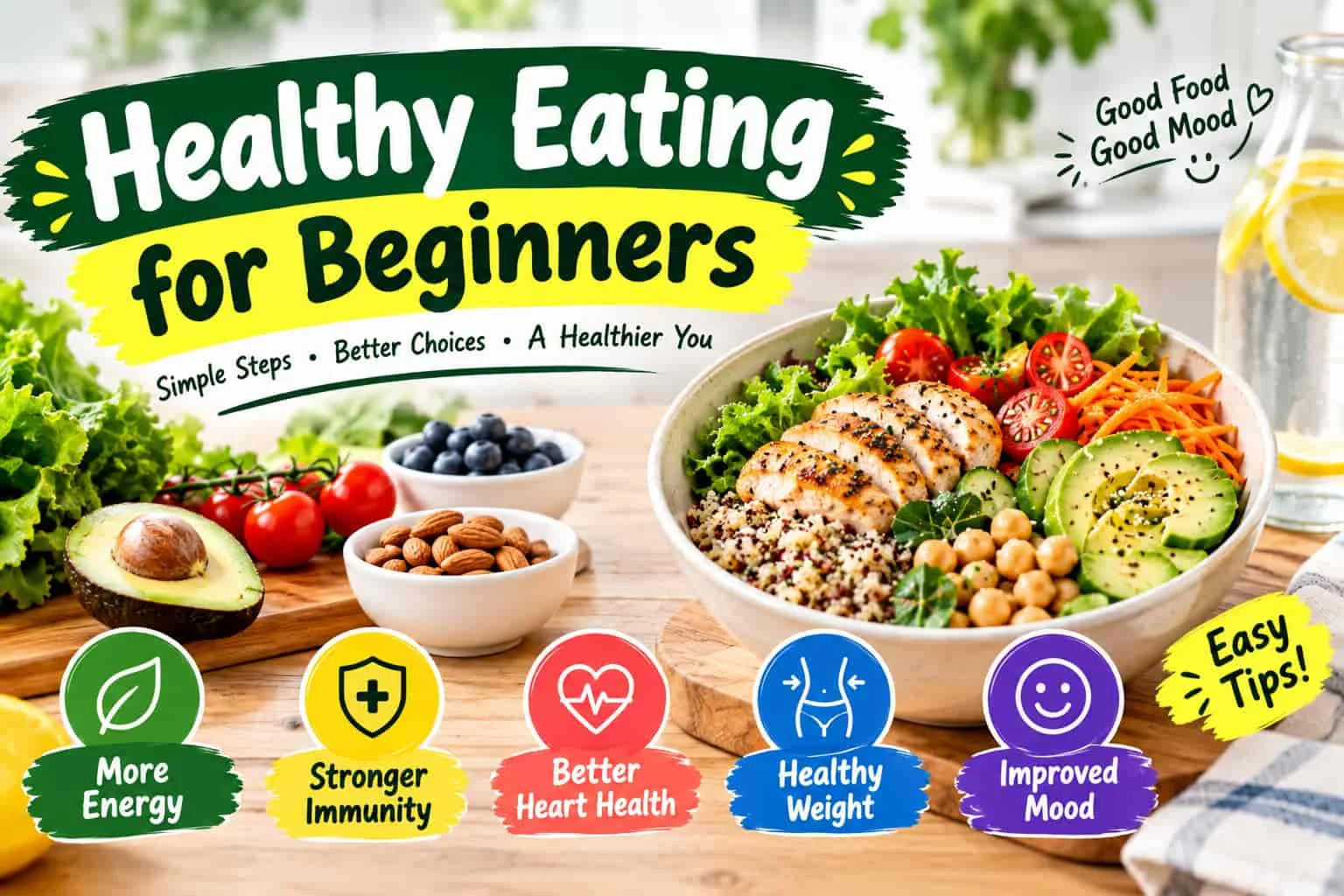
A few years ago I tried to “eat healthy” by cutting out an entire food group overnight. I lasted about nine days before I was eating cereal straight out of the box at midnight. The problem wasn’t willpower it was that I skipped every basic step and jumped straight to extreme. Healthy eating for beginners doesn’t need to look like that at all, and honestly, it works a lot better when it doesn’t.
This guide is meant for people who are just starting out and feel a bit overwhelmed by all the conflicting advice online. No detox teas, no “clean eating” rules, just the actual basics that nutrition professionals agree on.
Start With What’s Already on Your Plate
Before changing anything, it helps to just notice what you’re currently eating. Not to judge it just to see the pattern. Are vegetables showing up at most meals, or almost never? Is water your main drink, or is it mostly soda and juice? A lot of people skip this step and go straight to meal plans, but you can’t really fix something you haven’t looked at first.
Once you have a rough picture, small shifts tend to stick far better than a complete overhaul. Swapping one soda a day for water is a change you’ll actually keep. Deciding to never eat sugar again usually isn’t.
The Basics That Actually Matter
Most of what’s marketed as “the secret to healthy eating” is really just a repackaged version of the same handful of principles. Here’s what they boil down to:
| Habit | Why It Matters |
|---|---|
| Fill half your plate with fruits and vegetables | They’re naturally lower in calories and packed with fiber and nutrients |
| Choose whole grains over refined ones | More fiber, keeps you fuller for longer |
| Include a protein source at most meals | Helps with fullness and muscle maintenance |
| Watch added sugar and sodium | Both are easy to overdo without noticing |
| Drink mostly water | Cuts empty calories without much effort |
| Eat until satisfied, not stuffed | Prevents the sluggish, overfull feeling |
This lines up closely with USDA’s MyPlate model, which is built around filling half your plate with fruits and veggies, and splitting the rest between grains and protein, with a small side of dairy.

Building a Balanced Meal (Without Overthinking It)
You don’t need to weigh your food or track every gram to eat reasonably well. A simple mental checklist works fine for most meals:
- Is there a vegetable or fruit somewhere on this plate?
- Is there some protein eggs, beans, chicken, fish, tofu, whatever you like?
- Are the grains at least partly whole grain, not 100% white bread and white rice?
- Am I drinking water instead of something sugary?
If you can say yes to most of those most of the time, you’re doing better than a huge chunk of the population already. Perfection was never really the goal here.
If you’re just starting to cook more at home, it also helps to build a small rotation of easy meals you actually enjoy our post on simple meal prep ideas for beginners walks through a few that don’t require much time or skill.
Grocery Shopping Without the Overwhelm
The grocery store is honestly where a lot of healthy eating either succeeds or falls apart, simply because of what ends up in the cart. A few things that make this easier:
- Shop the outer edges of the store first that’s usually where produce, meat, and dairy live, before circling into the packaged-food aisles.
- Read labels for added sugar, not just calories. A “low-fat” product can still be loaded with sugar to make up for the missing fat.
- Buy frozen vegetables when fresh feels like too much effort. Nutritionally they’re close to fresh, and they don’t go bad in your fridge while you’re not looking.
- Don’t shop hungry. This one sounds like a cliché because it’s true everything looks appealing on an empty stomach.
Common Mistakes Beginners Make
- Trying to change everything at once instead of building habits gradually
- Cutting out entire food groups without a real reason to
- Assuming “diet” or “low-fat” labels automatically mean healthier
- Skipping meals, which usually backfires into overeating later
- Not drinking enough water and mistaking thirst for hunger
None of these mean you’ve failed if you’ve done them most people have, at some point. They’re just worth knowing so you can catch yourself.
Eating Out Without Derailing Everything
Restaurants don’t have to be the enemy of healthy eating. A few small habits go a long way: ask for dressing or sauce on the side, add a vegetable side instead of extra fries, and don’t feel obligated to finish a portion that’s clearly sized for two people. If you’re trying to build sustainable habits, our guide on healthy habits for busy schedules has more on fitting this into a normal, non-perfect life.
Frequently Asked Questions
How do I start eating healthy if I don’t know where to begin? Start by paying attention to what you already eat, then make one small change at a time like adding a vegetable to lunch or swapping soda for water. Small, consistent changes tend to last longer than a full overhaul.
Is healthy eating expensive? Not necessarily. Beans, frozen vegetables, eggs, rice, and oats are all budget-friendly and nutritious. The expensive part usually comes from specialty “health food” products that aren’t actually necessary.
Do I need to cut out carbs to eat healthy? No. Whole grains like oats, brown rice, and whole wheat bread are part of a healthy diet. The issue is usually too many refined carbs, not carbs in general.
How many meals a day should a beginner eat? There’s no single right number. Three meals a day works well for most people, though some do better with smaller, more frequent meals. What matters more is the quality of what’s on the plate.
Can I still enjoy treats while eating healthy? Yes. Healthy eating that never allows for treats usually doesn’t last. The general idea is that treats are occasional, not a daily default not that they’re banned entirely.
Final Thoughts
Healthy eating for beginners isn’t about being perfect from day one. It’s about building a handful of habits that you can actually keep doing in six months, not just this week. Start with one or two small changes, give them time to feel normal, and build from there. That approach tends to outlast every “22-day challenge” out there.
Further reading: